What a Japanese dinner table can teach you about evening light
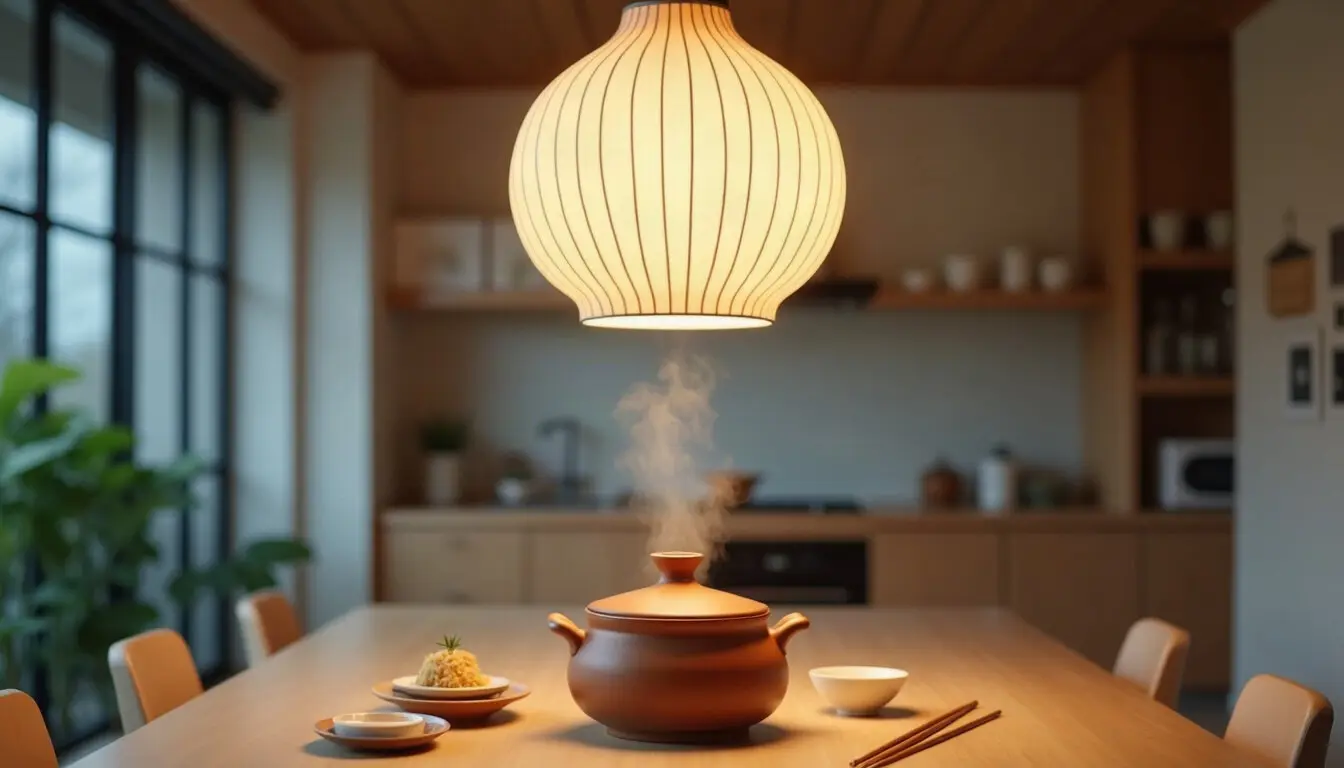
On cold evenings in Fukuoka my family eats nabe, a hot pot that simmers in the middle of the table. What I remember most is not the broth but the light: one warm lamp hanging low over the pot, the steam drifting through it, and the rest of the room soft and dim. Nobody wanted to leave the table.
That memory has made me think about kitchen lighting more than most people do. If you are planning changes, rewiring or moving a fitting is work for a licensed electrician, and the indoor lighting installation Colorado Springs CO households can read about on this local page is one example of that kind of service. Here I want to talk about why light matters in the evening, and how a kitchen can serve both the cook and the sleeper.
Light tells the body what time it is
Our bodies run on an internal daily clock, and light is the strongest signal that keeps it set. Bright light in the morning tells the body the day has started. As evening comes, dimmer and warmer light helps the body move toward rest, and the hormone associated with sleep tends to rise as the light falls. Bright, cool-white light late in the evening, including from phones and screens, can push that process later for some people.
Researchers still debate how large these effects are for any one person, and good sleep depends on many things besides light. But the general pattern is well accepted, and it matches what most of us feel: a bright, glaring room at nine at night makes it harder to wind down.
In many Japanese homes, the ceiling of the kitchen and living room used to be lit by a single bright white fluorescent fitting, the same light from breakfast to bedtime. My mother's kitchen was like that. More homes now use warmer bulbs and several smaller lights, and the evenings feel very different for it. When my parents finally changed theirs, my father said the house felt like a restaurant for the first week. After that, he said it felt like home, and he started falling asleep in front of the television earlier than he used to.
The kitchen has to do two jobs
The trouble with kitchen lighting is that the room asks for opposite things. While you cook, you need bright, clear light on the counter and the stove. A sharp knife, a pan of hot oil and a pot of boiling water are not things to handle in shadow, and dim light is one reason small kitchen cuts and burns happen. When you sit down to eat, though, the same bright light feels harsh, and it keeps the body in daytime mode long after dinner.
The answer most lighting designers suggest is layers of light rather than one strong source:
- Task light, aimed at the counter, the sink and the stove, for cooking and washing up
- Gentle general light so you can move around the room safely
- A warm, lower light over the table, the one you leave on while you eat
- Perhaps a small lamp or soft under-cabinet glow for late evenings
Age changes the picture too. Older eyes generally need more light to see detail, and they are more bothered by glare. A counter that seemed bright enough at thirty can feel gloomy at seventy, which is one more reason to put strong light exactly where the work happens rather than simply turning up one ceiling light for the whole room.
With separate switches, or dimmers on some of them, the same kitchen can be bright at six and calm at eight. Colorado Springs is known for sunny days, but winter evenings still close in early, so in the colder months much of the cooking happens under artificial light.
An evening routine that fits around meals
Changing the habits around the light costs nothing, and you can start tonight with whatever fittings you have.
- Cook under your brightest task light. This is the time for clear vision, not mood.
- When the food goes on the table, switch off the task lights and leave only the softest light over where you eat.
- Eat slowly. A calmer, dimmer table makes it easier to notice the food and how full you feel, rather than eating in a rush.
- Wash up with the task light on, then switch it off again as soon as the kitchen is clean.
- For the last hour or so before bed, use only lamps or dimmed lights, and keep screens out of the bedroom if you can.
- In the morning, do the opposite: open the curtains, and eat breakfast near a window if you can, so the body gets its daytime signal early.
Don't forget the night-time trip for a glass of water. A very low light near the floor, or a small lamp left on in the hallway, lets you cross the kitchen safely without switching on the full overhead light and waking yourself completely. It is a small detail, but falls in the dark are a real risk, especially for older family members.
The routine shifts with the seasons, as most good kitchen habits do. In high summer, when the evenings stay light, you may hardly need the lamps before bed, and a thin curtain or blind on a west-facing window can soften the late sun over the table. In winter, when it is dark well before dinner, the routine matters most, because without it the bright lights tend to stay on from the moment you come home until you go to bed.
This rhythm is very close to how a nabe evening works in Japan. Bright preparation, a warm table, and then a quiet, darker house.
Planning a lighting change with an electrician
If your kitchen has only one overhead light, adding layers usually means new fittings, new switches or moving where the light comes from. That is a job for a licensed electrician, never something to try yourself. Electricians check what the existing wiring can safely take, whether fittings suit a damp, steamy room like a kitchen, and that everything meets local codes.
You will make better decisions if you go into that conversation with a clear idea of how you use the room. A few questions to think about:
- Where do you actually stand when you chop and cook, and does your shadow fall across the board?
- Where does the family eat, and could a separate light hang over that spot?
- Would a dimmer on the dining light make evenings easier?
- Do you want warm-colored bulbs for the evening and brighter ones for the counters?
The electrician can then explain what is practical in your home. Ask about bulbs and color temperature too, since the same fitting can feel very different with a warm or a cool bulb.
When to see a doctor
Light and routine help many people sleep better, but they cannot fix everything. See a doctor if you have trouble falling or staying asleep on most nights for several weeks, if you feel very sleepy during the day despite a full night in bed, or if someone tells you that you snore loudly, stop breathing or gasp in your sleep. Low mood that comes with long, dark winters is also worth raising, since it is common and there are ways to help.
Your eyes deserve attention too. Frequent headaches after close work, blurry vision, or trouble seeing in dim light are reasons to have your eyes checked. A sudden change in vision, flashes of light, or a shadow across your sight needs urgent medical care.
Yojo habit: Every evening when dinner goes on the table, switch off the bright kitchen lights and eat under one soft, warm light, then keep the house dim until bed.
The one thing to remember
Bright light is for the work of cooking, and soft light is for eating and resting. Give your kitchen a way to do both, and let the switch you flick at dinner become the moment the day starts to close.

The writer
Naoko is a food and nutrition writer from Fukuoka who studied nutrition before she took up writing. She covers gut health and everyday eating, and most of her ideas start at the kitchen counter.