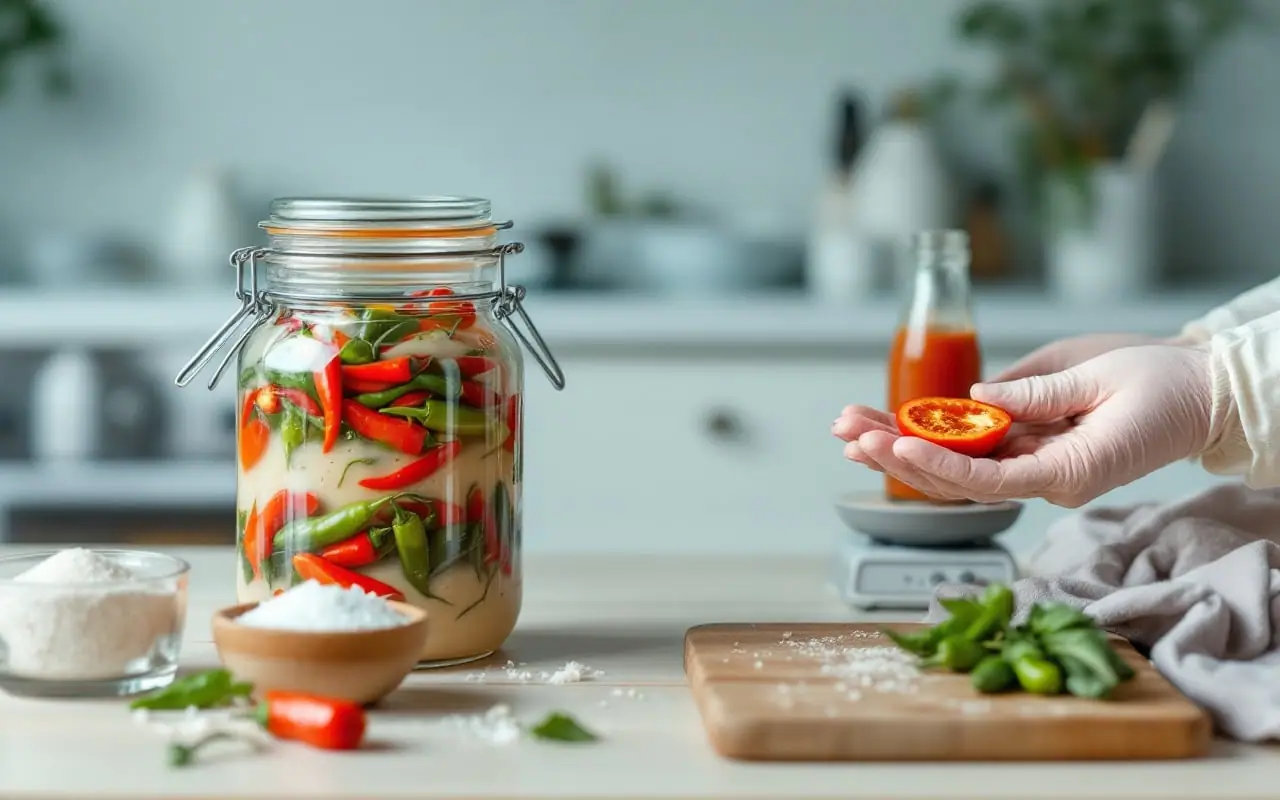
Fermented hot sauce at home: what you need and how to start
A first fermented hot sauce: mash or brine, salt by weight, jars, airlocks and gloves, kahm yeast vs mold, then blending, vinegar and bottles for the fridge.
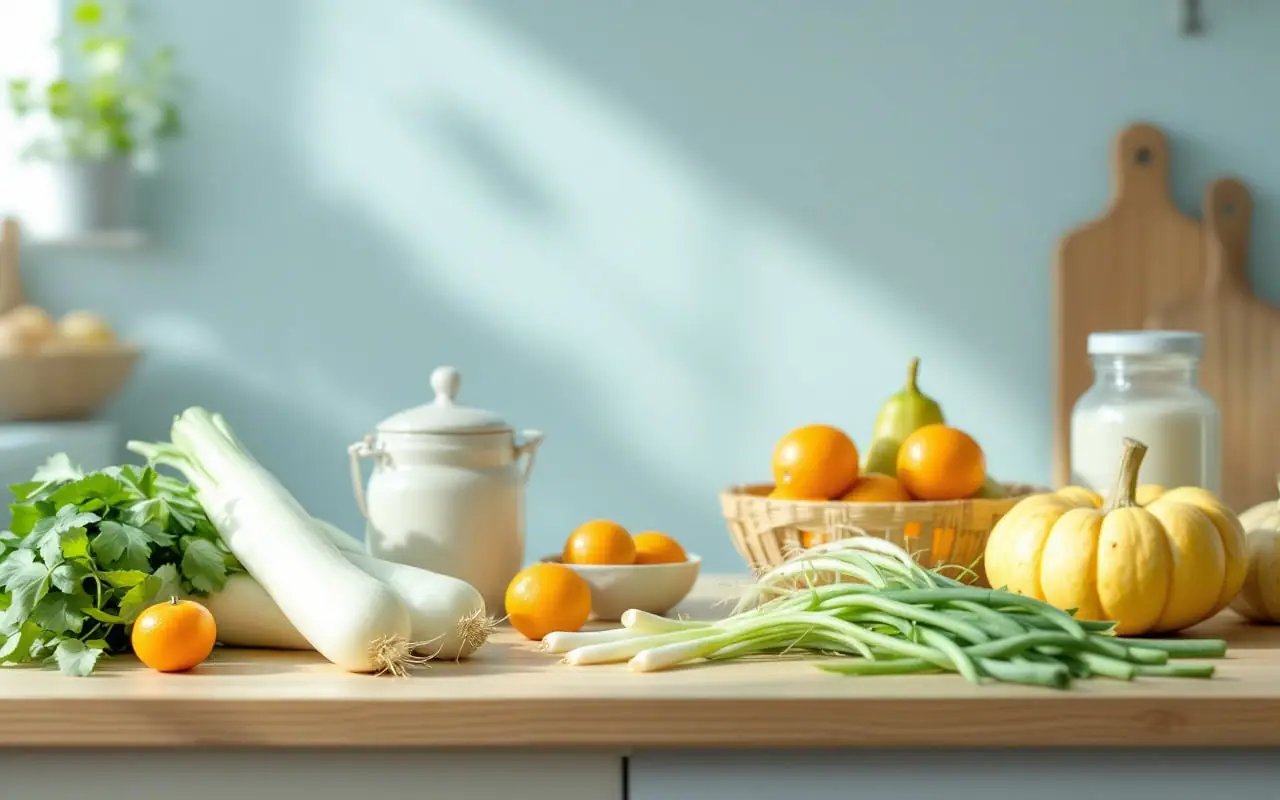
Japanese home food and the seasons: what people eat through the year, seasonal customs and how they touch everyday health.
A first fermented hot sauce: mash or brine, salt by weight, jars, airlocks and gloves, kahm yeast vs mold, then blending, vinegar and bottles for the fridge.
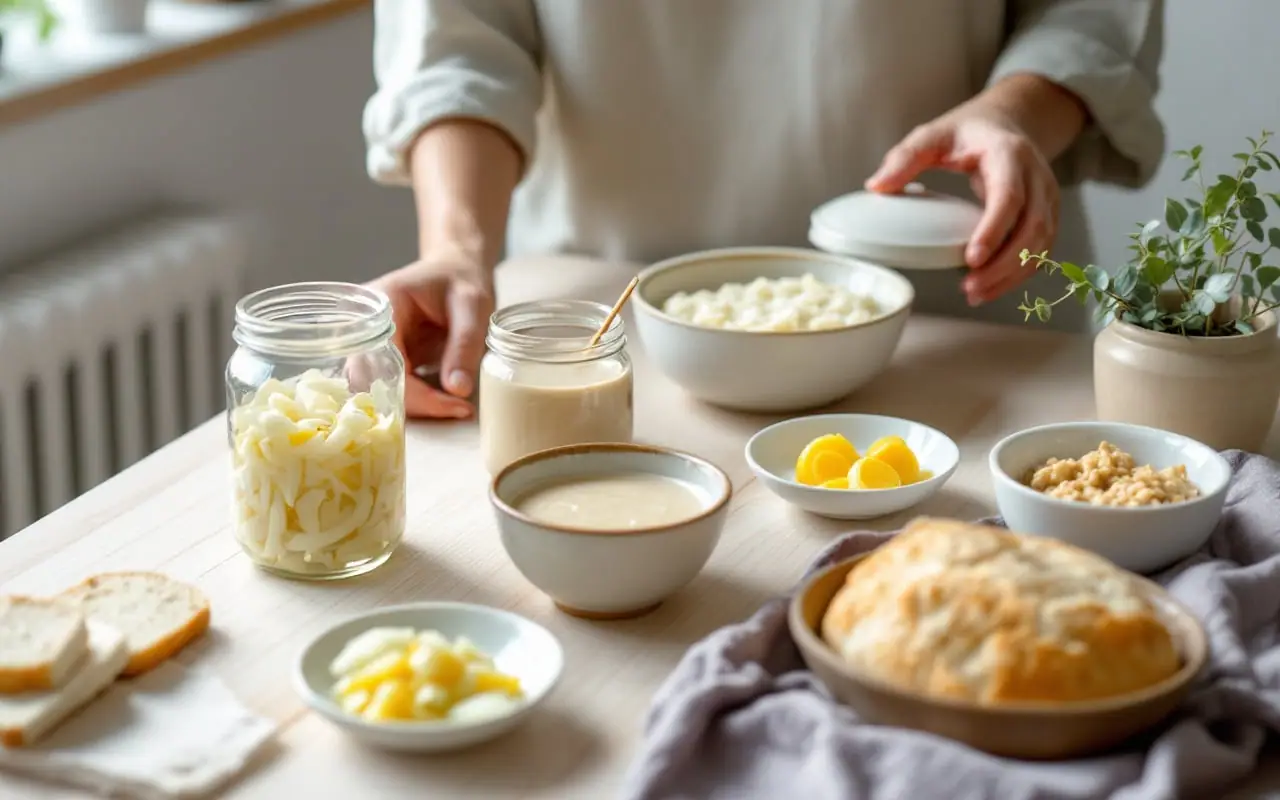
A fermented food is one that microbes helped to make. How fermentation works, a long list from miso to sourdough, and what only sounds fermented.
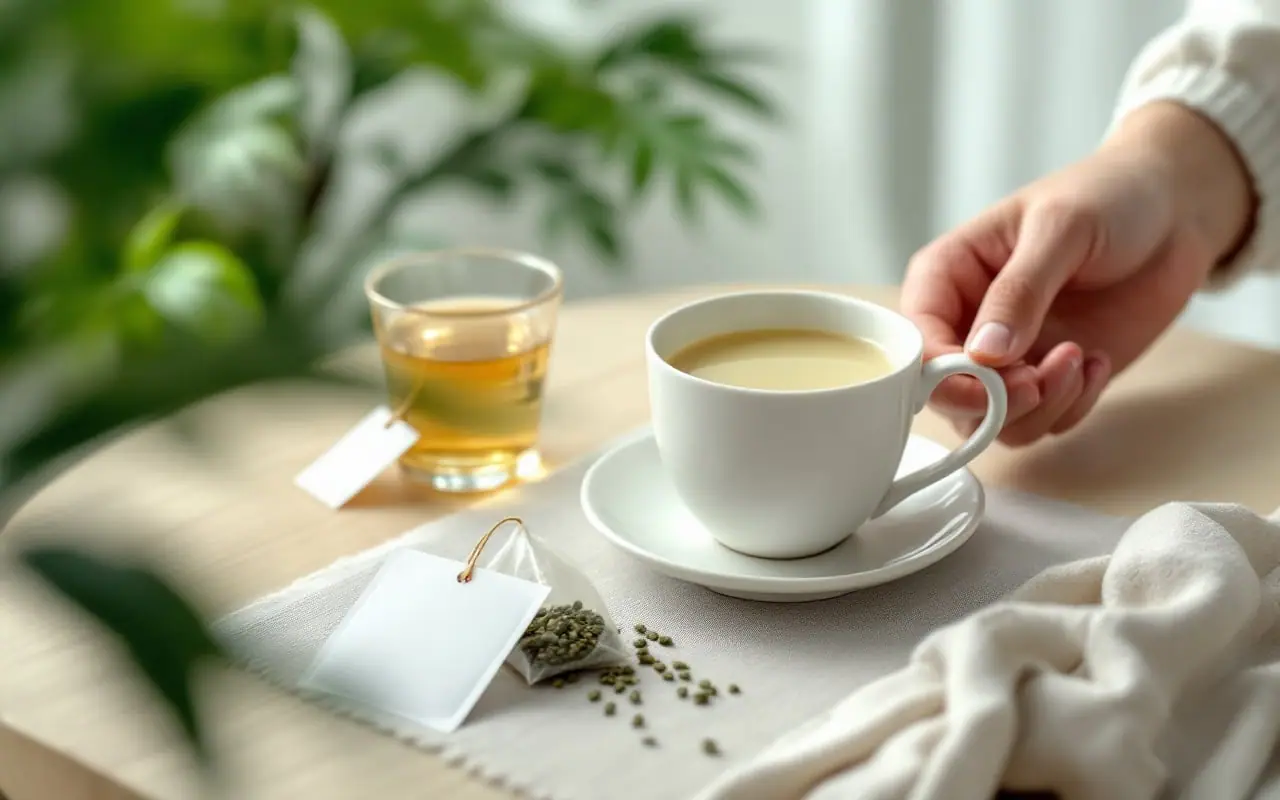
What is inside a green tea bag, how to brew one so it is not bitter, how decaf green tea is made, and which teas carry little or no caffeine.
Green tea is a sensible daily drink for most adults. What big studies found, the caffeine in each cup, the best time to drink it, and who should go easy.
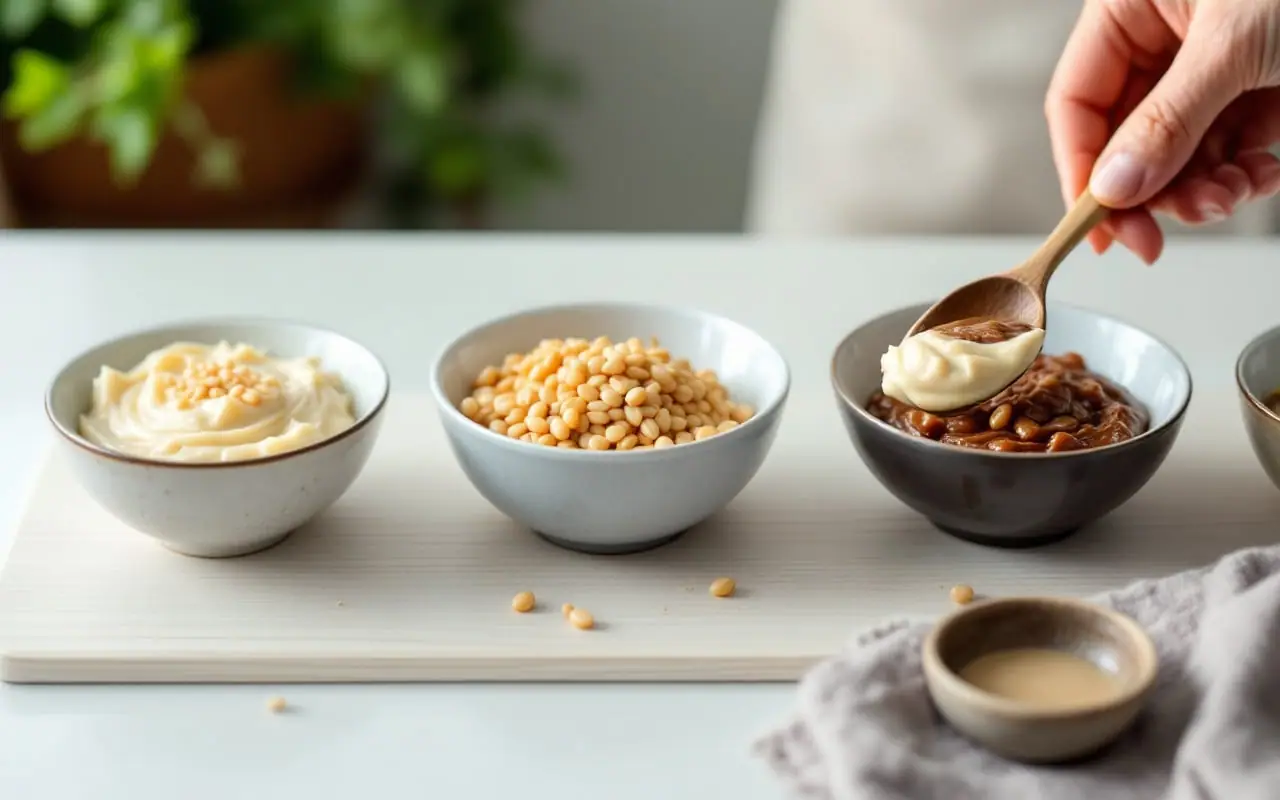
White, red, awase, barley or soybean: what each kind of miso paste tastes like, how salty it is, and which tub to buy for the way you cook.
New rice, sanma and roasted sweet potatoes make autumn the hungriest season in Japan. How to enjoy it without the heavy, overfull stomach afterward.
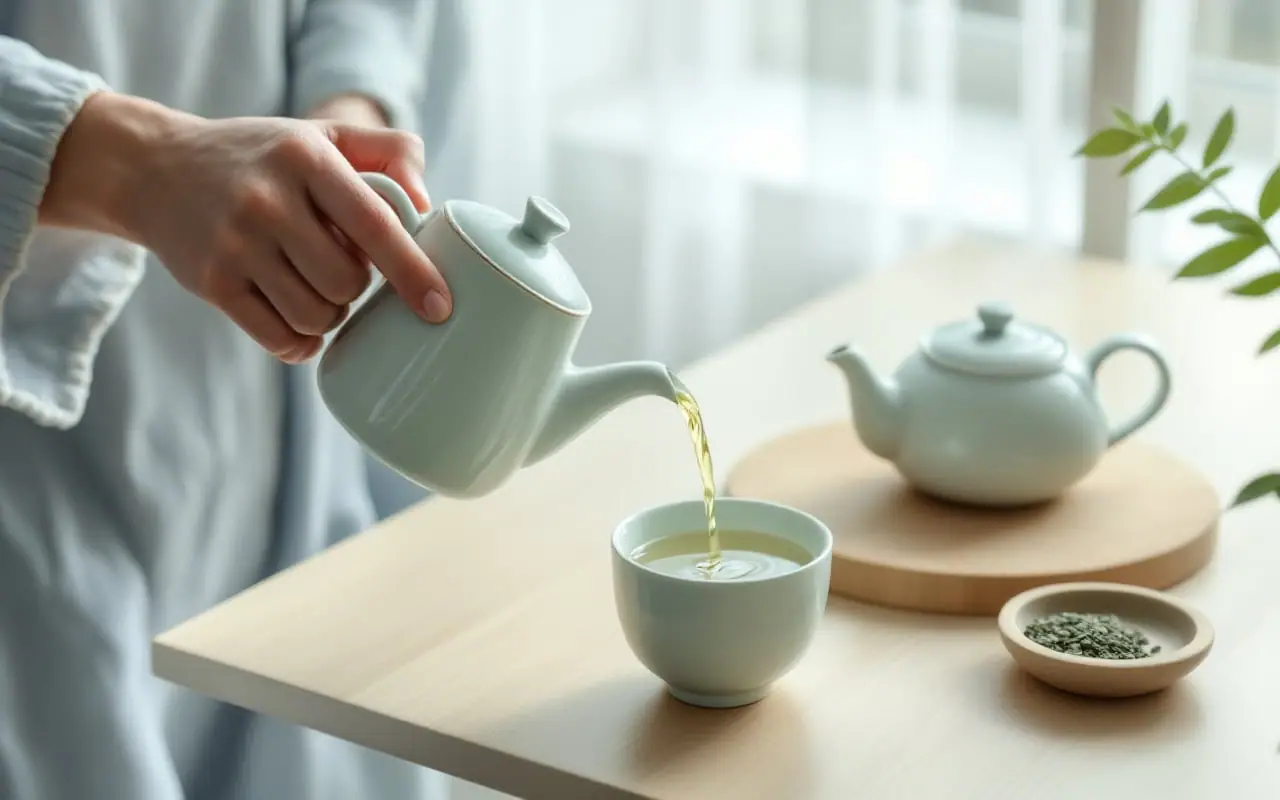
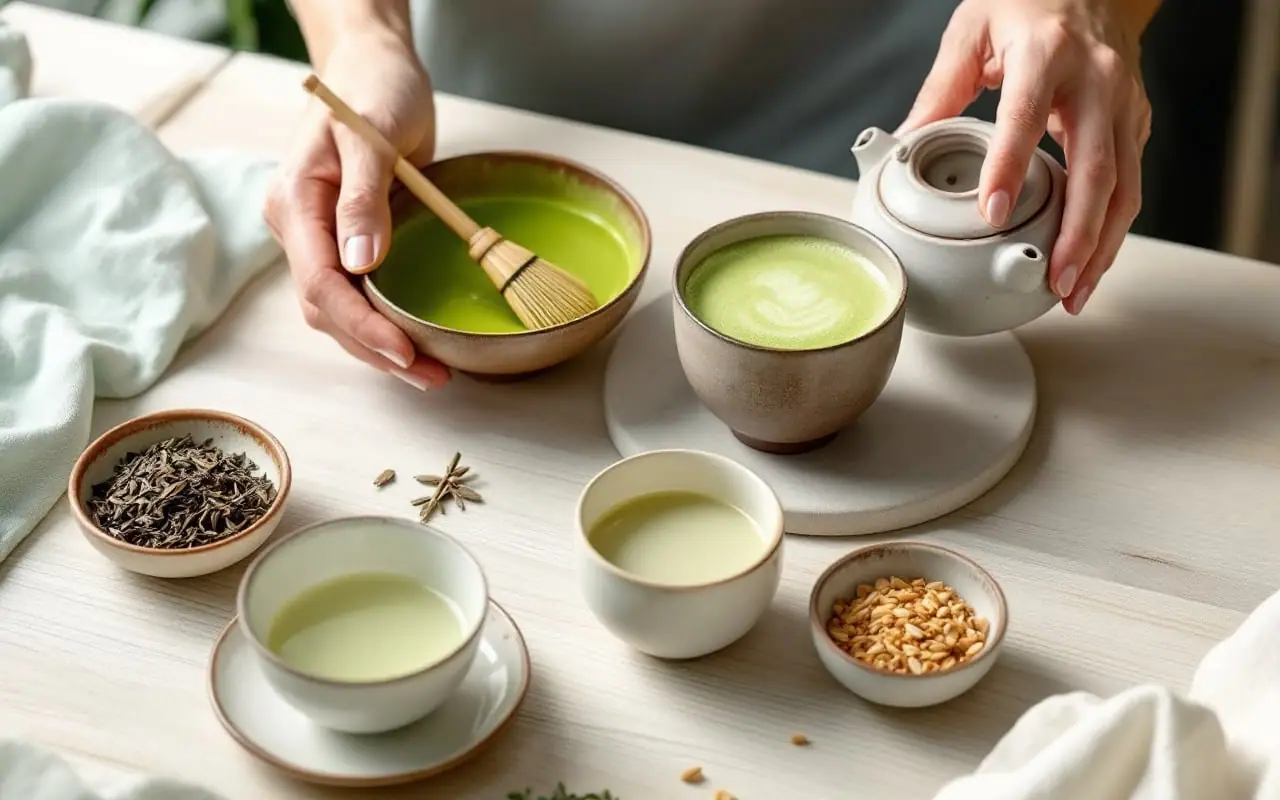
Matcha, sencha, hojicha, tea bags or decaf: what each Japanese green tea is, how much caffeine it carries, and how to pick one that suits your day.
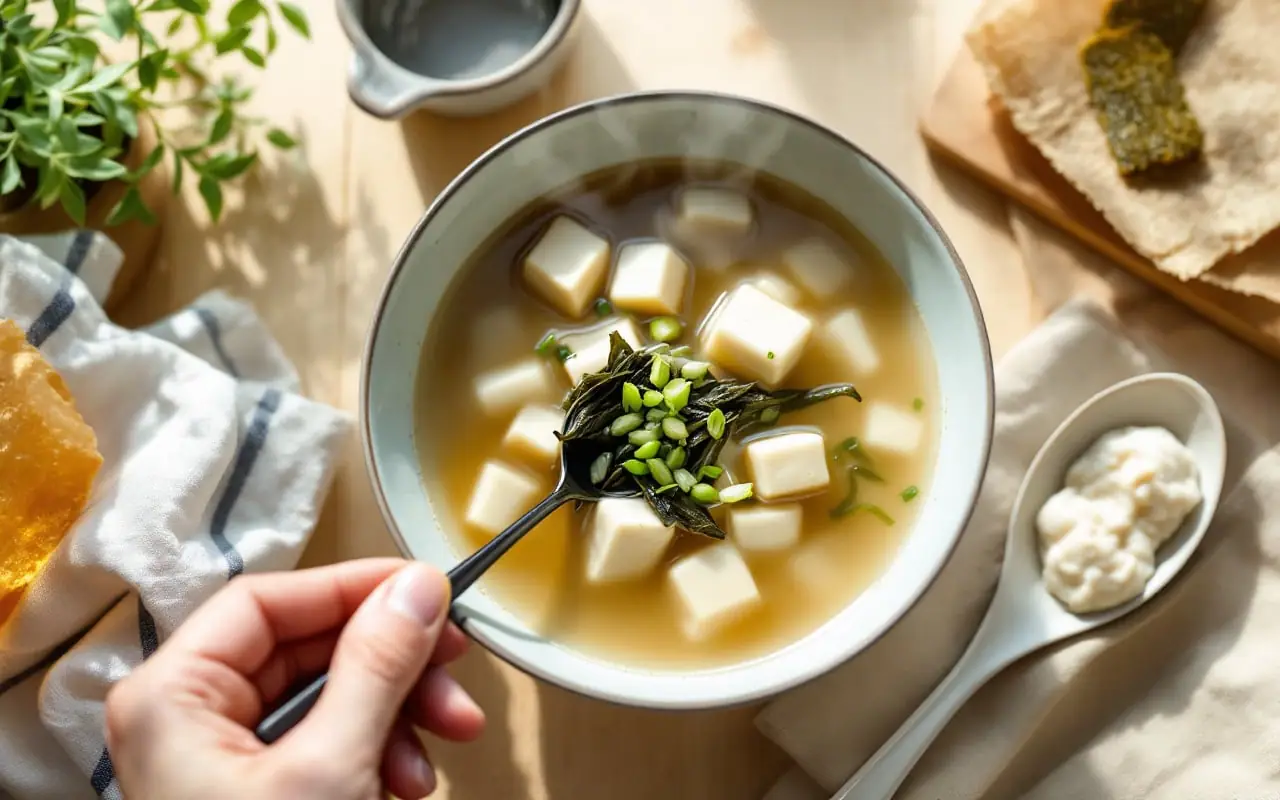
The miso soup I make most mornings in Fukuoka: dashi from scratch or the quick way, tofu and wakame, easy variations, and an honest word on the salt.
Japan's rainy season leaves many people heavy, foggy and short of sleep. What kampo calls dampness, what modern medicine says, and what actually helps.
Miso, natto and nukazuke are on many tables in Japan. What they contain, what the gut research really shows, and who should be careful with them.
Hot, sticky nights steal the appetite. How Japanese home cooks keep eating well through summer: protein in cold meals, sensible salt and safe bento.