Repainting the bedroom: colour, fresh air and a calmer night's sleep
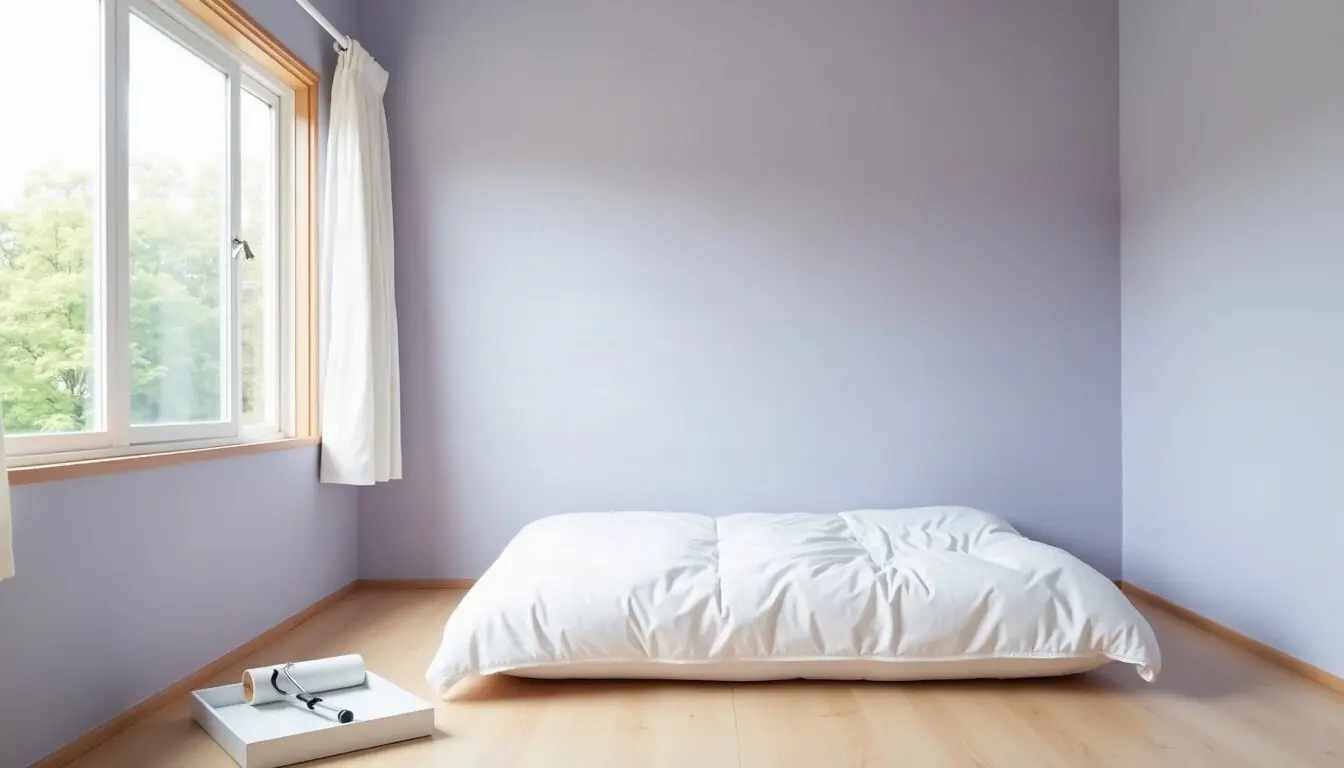
When the flat below mine was repainted last spring, the smell climbed the stairwell for a week: clean, sharp and faintly sweet, the unmistakable scent of fresh emulsion. I have spent twenty years paying attention to what is in the air of a room, and fresh paint is one of the strongest smells most homes ever hold.
A freshly painted bedroom can be a lovely thing, calmer and lighter than before. If you are in Colorado, a decorator such as Front Range Painters Colorado Springs CO can take on the interior painting, so the room is finished sooner and nobody in the family is breathing fumes at the top of a ladder. What follows is the part you control either way: choosing a colour for rest, keeping the air kind while the paint dries, and planning the work around your sleep.
A bedroom colour is a small thing that matters a little
Traditional Japanese rooms are a good lesson in restraint. Walls of pale clay or plaster, light wood, shoji screens covered in paper that turns hard sunlight into a soft, even glow. Nothing in the room competes for attention, and at night the eye has nowhere much to go. Many modern Japanese flats keep that feeling with plain, pale walls and very little on them.
I should be honest about the evidence. Research on wall colour and sleep is limited, and claims that a particular shade will cure insomnia are not worth much. What clearly matters more for sleep is a room that is dark, quiet, cool and uncluttered. Colour plays a supporting role: a soft, muted shade you personally find restful will feel better at the end of a day than a bright, busy one, and a matt or eggshell finish reflects less light from bedside lamps than a glossy one.
It is also worth thinking about the light that reaches those walls. Colorado is famous for its sunshine, and a bedroom that faces the morning sun can be bright early whatever colour it is painted. A shoji-style screen, a pale linen curtain for the day and a properly dark blind for the night will do more for your sleep than any shade on the wall. Think of the colour and the window as one decision rather than two.
A few plain guidelines help when you are choosing:
- Look at sample patches on the wall in morning light and again by lamplight in the evening, since a colour can change a great deal between the two.
- Muted, slightly greyed tones usually sit more quietly than strong, saturated ones.
- In a room that gets little sun, a warmer pale shade keeps it from feeling chilly.
- Keep the ceiling light, so the room does not feel low when you are lying down.
The smell of fresh paint, and what it is
That strong new-paint smell comes mostly from compounds that evaporate as the paint dries and cures, often grouped under the name volatile organic compounds, or VOCs. Different paints release different amounts. Many manufacturers now offer low-VOC or zero-VOC paints for interiors, and these usually smell much milder, though even they are not entirely odour-free while drying.
For most people the smell is a nuisance that fades within days, faster with good airflow. Some people are more sensitive: those with asthma or other lung conditions, people who get migraines, pregnant women, babies and small children, and older people. For them it is worth choosing lower-odour products and keeping them out of the room until it has aired properly. A good painter will be able to talk you through the products they use and how long the room should be left to air.
Colorado Springs has a dry climate, and dry air helps paint dry on the surface. Drying to the touch is not the same as curing, though, and the smell can linger longer than the paint feels wet, so let your nose rather than your fingertip tell you when a room is ready.
Planning the work around your sleep
The single best thing you can do is not sleep in a freshly painted room on the night it is painted. Beyond that, a little planning goes a long way.
- Choose your season. Mild spring and autumn days make it easy to keep windows open for long stretches. In a cold Colorado winter, airing a room is harder, though not impossible.
- Arrange somewhere else to sleep for a few nights, whether that is the sofa, a spare room or a futon in the sitting room.
- Clear the room as much as you can, and cover anything that stays, so that bedding and fabrics do not hold on to the smell.
- Keep air moving. An open window with a fan placed to blow air outwards works far better than a fan simply stirring the air inside.
- Keep pets and children out of the room until the smell has faded.
- Wash the bedding before you move back in, and give the mattress some time with the window open.
It also helps to agree the timetable with whoever is doing the work. Knowing which day the walls will be painted, and roughly when the room can be used again, lets you plan the nights away and the airing in advance rather than discovering on the evening itself that the bed is still under a dust sheet. Ask about the time a room needs before furniture can go back against the walls, too, since pushing a wardrobe against paint that has not hardened can mark it.
If your home is older, there is one more question to raise before anyone starts. Paint from decades ago may contain lead, and sanding or scraping it releases harmful dust. That needs checking by a professional before preparation work begins, and it is never a job to tackle yourself.
Leave the oils in the bottle for now
People sometimes ask whether they can stir a few drops of essential oil into paint to soften the smell, or run a diffuser in the room to cover it. I would do neither. Oils were not made to be mixed into paint and may affect how it behaves, and a diffuser simply adds more fragrance compounds to air that is already carrying plenty. The new-paint smell needs fresh air and time, nothing more.
Once the room has aired for some days and the smell has gone, a little scent can help it feel like a bedroom again. Use a diffuser briefly in the early evening with the window open, then switch it off well before bed. Keep oils diluted, never apply them neat to the skin, keep them away from cats and dogs, and skip them entirely if anyone in the room has asthma.
When to see a doctor
A mild headache or a scratchy throat that clears once you leave a freshly painted room is common. See a doctor if symptoms carry on after you are out in fresh air, or if you notice dizziness, nausea, wheezing, a tight chest or breathlessness. Anyone with asthma should keep their inhaler close and talk to their doctor if they need it more than usual during or after the work.
If you are pregnant, ask your doctor or midwife before spending time in rooms being painted. If a child in an older home has been chewing on old paint or playing in dust from it, talk to a doctor about whether a blood test for lead is sensible. Sudden difficulty breathing, at any time, needs urgent help.
Yojo habit: For the first week after any room is painted, open its window wide for ten minutes every morning before you do anything else, and sleep elsewhere until you can no longer smell the paint at the door.
The one thing to remember
A calm bedroom is mostly dark, quiet and clutter-free, and a soft, muted colour is the finishing touch rather than the cure. Choose your shade by evening lamplight, then let fresh air, not fragrance, clear the room before you sleep in it again.

The writer
Philippa is a British writer who has lived in Japan for many years and has blended essential oils at home for two decades. She looks after the Aroma corner and never writes a recipe without the dilution.