What the Japanese evening bath can teach you about a bathroom that smells and feels right
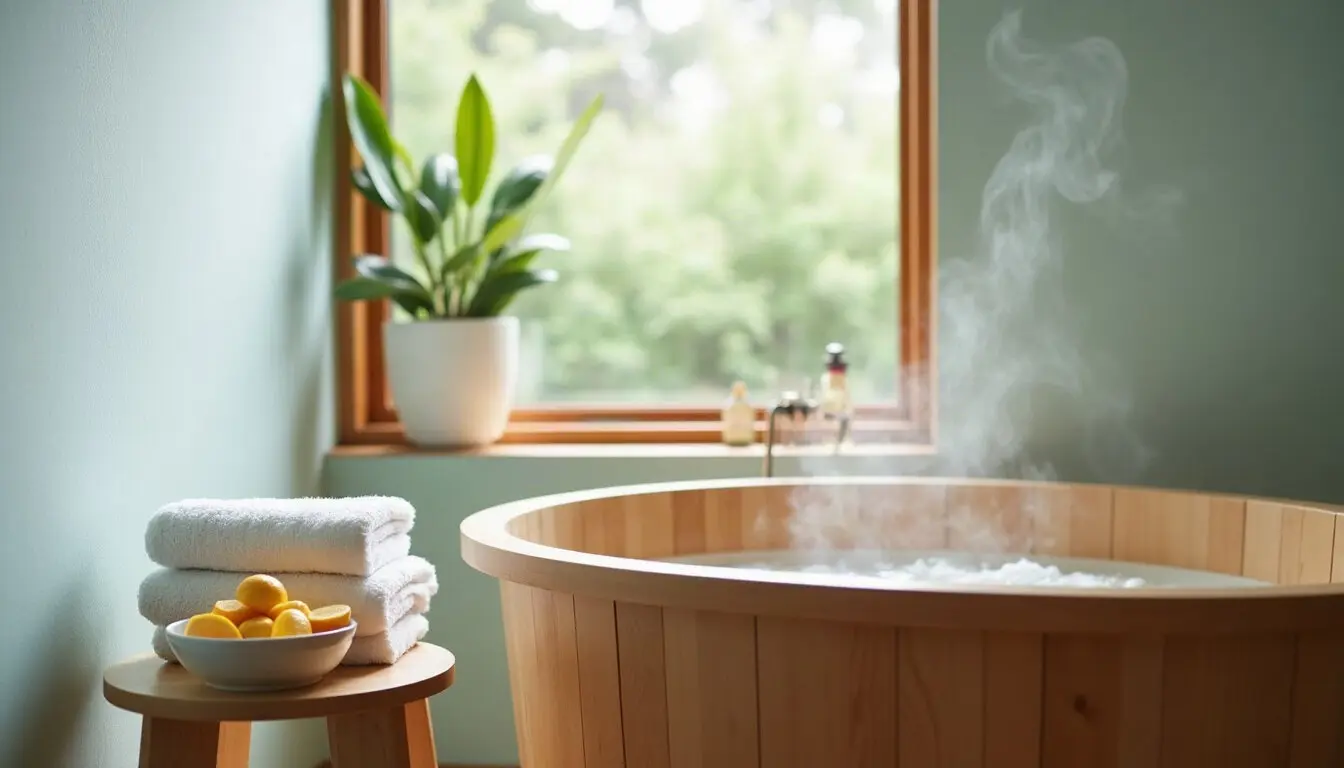
The first thing I notice when I open the bathroom door at night is the air. On a good evening it smells of warm wood and clean water. On a bad one there is a sour note from the drain, and the water is slow to run hot.
Most of that comes down to the home, not the person in it. Who do you ask when the water, the drain or the smell is not right? For readers around Aurora, Colorado, one local option is Superior Plumbing Aurora. This piece looks at what the Japanese bath asks of a bathroom, how scent fits in safely, and the signs worth acting on.
The evening bath is a habit of the whole house
In Japan the bath, or ofuro, is less about getting clean than about getting warm and slowing down. You wash and rinse first on a low stool outside the tub, then step into deep, hot water simply to soak. Families often share the same bathwater one after another, which only works because nobody washes in it.
What strikes many newcomers, and certainly struck me, is how much the ritual depends on the house behaving itself. The water has to come hot and steady. The floor, which gets thoroughly wet, has to drain quickly. The room has to dry out afterwards, or the warmth of one evening turns into damp and mould by the end of the week.
You do not need a Japanese tub to borrow any of this. A shower followed by a soak in an ordinary bath, or even a warm foot bath in a basin, follows the same idea: warm the body gently before bed and let the mind follow. It is a very old piece of yojo, the habit of looking after your health a little every day.
What the bathroom air is telling you
Scent is my corner of this site, so I will start there. A bathroom should smell of almost nothing once it has aired. When it does carry a smell, it is usually a message rather than a nuisance to be covered up.
| What you notice | What it often points to | A sensible next step |
|---|---|---|
| A musty, earthy smell that lingers | Damp that is not drying out: grout, the underside of a mat, a poorly aired corner | Open a window after every bath, dry the floor, wash mats often |
| A sour or eggy smell near the plughole | Build-up in the drain, or a trap that has dried out in a little-used basin | Run water in unused sinks weekly; if the smell stays, ask a plumber |
| A smell from the floor or behind the toilet | A slow leak or a seal that has failed | Do not mask it; have it looked at soon |
| A metallic or odd smell from hot water only | Something inside the water heater that needs attention | Ask a plumber to check the heater |
The reason I put this in a table is simple. Too many people reach for a scented candle or a plug-in diffuser when the room is really asking for air, a dry floor or a repair. Fragrance laid over damp just gives you damp that smells of lavender.
Hot water, done safely
A deep, hot bath feels wonderful, but very hot water deserves respect. Older people, small children and anyone with a heart or blood pressure condition can be affected more than they expect, and the risk is greatest in winter, when the bath is hot and the rest of the house is cold.
A few habits help, and they are ones I picked up from Japanese friends rather than from any rulebook:
- Warm the room first. Run the shower for a minute with the door shut, or leave the bathroom heater on for a little while, so you are not stepping from a cold room into very hot water.
- Test the water with your hand and forearm before you get in, and add cold if it bites. Comfortably warm is the aim, not as hot as you can stand.
- Keep the soak short and come out slowly, sitting on the edge of the tub for a moment before you stand.
- Drink a glass of water before or after, since a hot bath makes you sweat more than you notice.
- Never bathe straight after alcohol, and let someone in the house know when you are in the bath if you live with older relatives.
The house plays its part too. If the hot tap swings between scalding and lukewarm, if the water heater rumbles or knocks, or if the hot water runs out far sooner than it used to, those are signs to have the heater looked at by a professional. Water heaters involve gas or high-voltage electricity and pressure, so this is never a job to open up yourself. A good plumber will check the unit, explain what they find and talk you through whether a repair or a replacement makes more sense.
Floors, drains and the risk of slipping
The Japanese bathroom floor is designed to get wet and drain away in seconds. Most Western bathrooms are not, which is why water left standing around the tub is one of the quieter hazards in the home.
A slow drain is more than an irritation. Water that pools in the shower tray or sits on a tiled floor makes a slip far more likely, and a fall in a hard, wet room can be serious, particularly for anyone older or unsteady on their feet. It also keeps the room damp for longer, which brings us back to that musty smell.
Some simple checks:
- After a shower, watch how fast the water clears. If it lingers longer than it used to, the drain is telling you something.
- Keep a non-slip mat inside the tub and a dry, washable one outside it, and dry both properly.
- Lift hair from the plughole cover after each use rather than letting it build up.
- Avoid pouring oils, including bath oils, straight down the drain in quantity; they can coat the pipes over time.
If a drain stays sluggish, or more than one fixture in the house slows down at the same time, that is the moment to call in a plumber rather than keep pouring things down it. Several slow drains at once can point to a problem further along the line, which is a job for someone with the right equipment.
A little scent, used the careful way
Once the room is dry, clean and draining well, a gentle scent can make the bath feel more like a ritual. I am fond of the Japanese custom of the yuzu-yu, the yuzu bath at the winter solstice, when whole citrus fruits are floated in the tub. A few slices of fresh citrus in a bowl beside the bath gives a similar lift without anything going on your skin.
If you prefer essential oils, please keep to the basics:
- Never add neat essential oil straight to bathwater. Oil and water do not mix, so the drops float and can sit undiluted on your skin. Mix the oil into a carrier such as a plain bath oil or a spoonful of unscented body lotion first, and follow the dilution guidance on the bottle.
- Never swallow essential oils, and keep the bottles well away from children.
- Take extra care around pets, babies, during pregnancy and for anyone with asthma; for them, plain warm water and an open window are the safer choice.
- Put a few drops on a flannel or a cotton pad on the shelf if you simply want the room to smell nice. It perfumes the steam without touching your skin.
And the safety check I end every scent conversation with: open a window or run the extractor fan once you are out of the bath. Fragrance and steam together can feel heavy in a small room.
When to see a doctor
A bath is meant to calm you, so pay attention if it does the opposite. See a doctor, or get urgent help if it is severe, if you feel faint, dizzy or confused during or after a hot bath, if you have chest pain, palpitations or breathlessness, or if you fall in the bathroom and hit your head. Burns from hot water that blister, look white or cover more than a small patch need medical attention.
If you have a heart condition, high or low blood pressure, diabetes, or you are pregnant, ask your doctor how hot and how long a bath is sensible for you. And if a musty bathroom seems to set off wheezing, coughing or a tight chest, mention it to your doctor as well as dealing with the damp. Skin that reacts to a bath product with redness, itching or swelling is a sign to stop using it and get advice from a pharmacist or doctor.
Yojo habit: After every evening bath, open the window or switch on the fan, dry the floor, and take one breath of the room. If it smells of anything but clean air, note it down, and if it is still there a week later, have it checked.
The one thing to remember
A calming bath begins with a bathroom that works: hot water that arrives steadily, a floor that drains, and air that dries out afterwards. Look after those, and keep any scent diluted and modest, and the ritual will look after you in return.

The writer
Philippa is a British writer who has lived in Japan for many years and has blended essential oils at home for two decades. She looks after the Aroma corner and never writes a recipe without the dilution.