Food & Seasons / Health & Living
Is green tea good for you? What the evidence says
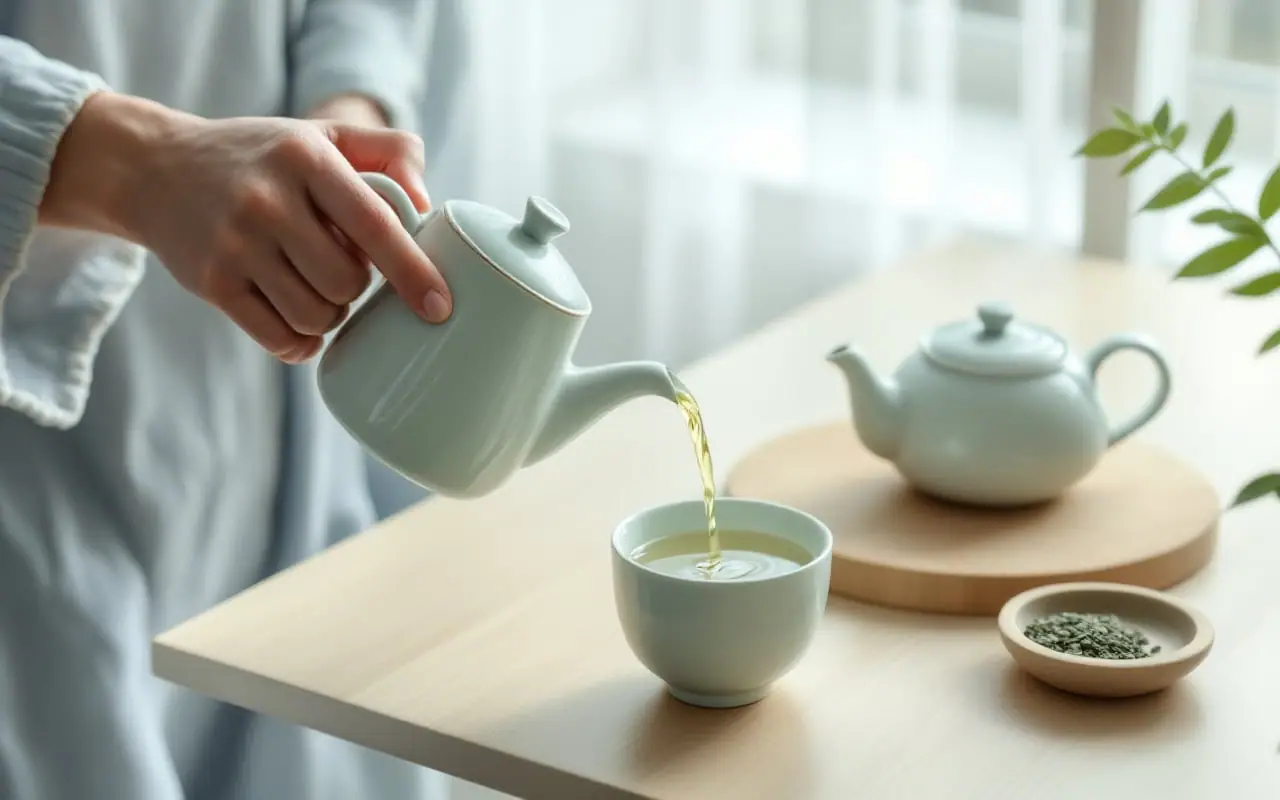
Is green tea good for you? For most adults, yes, in an ordinary, everyday sense. It is a pleasant drink with almost no calories and a moderate amount of caffeine, and long-running studies in Japan link regular green tea drinking with somewhat lower rates of death from heart disease and stroke. What it is not is a medicine. The bigger claims, about weight loss, cancer prevention and "fat burning", have not held up well, and green tea extract in pills carries risks that a cup of tea does not.
In Fukuoka, tea is less a health choice than background. It comes free with lunch at most restaurants, it sits in two-liter bottles in office fridges, and the hills around Yame, about an hour south of the city, grow some of Japan's most prized gyokuro (shade-grown green tea). I have spent a good deal of time reading what Japan's researchers and health agencies abroad actually say about it. This is the summary.
What is in a cup
Green tea comes from the same plant as black tea, Camellia sinensis. The difference is processing. Most Japanese green teas are steamed soon after picking, which stops the leaf's own enzymes from oxidizing it and keeps the color green and the taste grassy and savory. A cup carries three things researchers care about:
- Catechins, a family of plant compounds. The most studied is EGCG (epigallocatechin gallate).
- Caffeine, in amounts that vary a great deal by tea type and brewing.
- L-theanine, an amino acid behind some of tea's savory umami taste. Shade-grown teas such as gyokuro and matcha are richer in it.
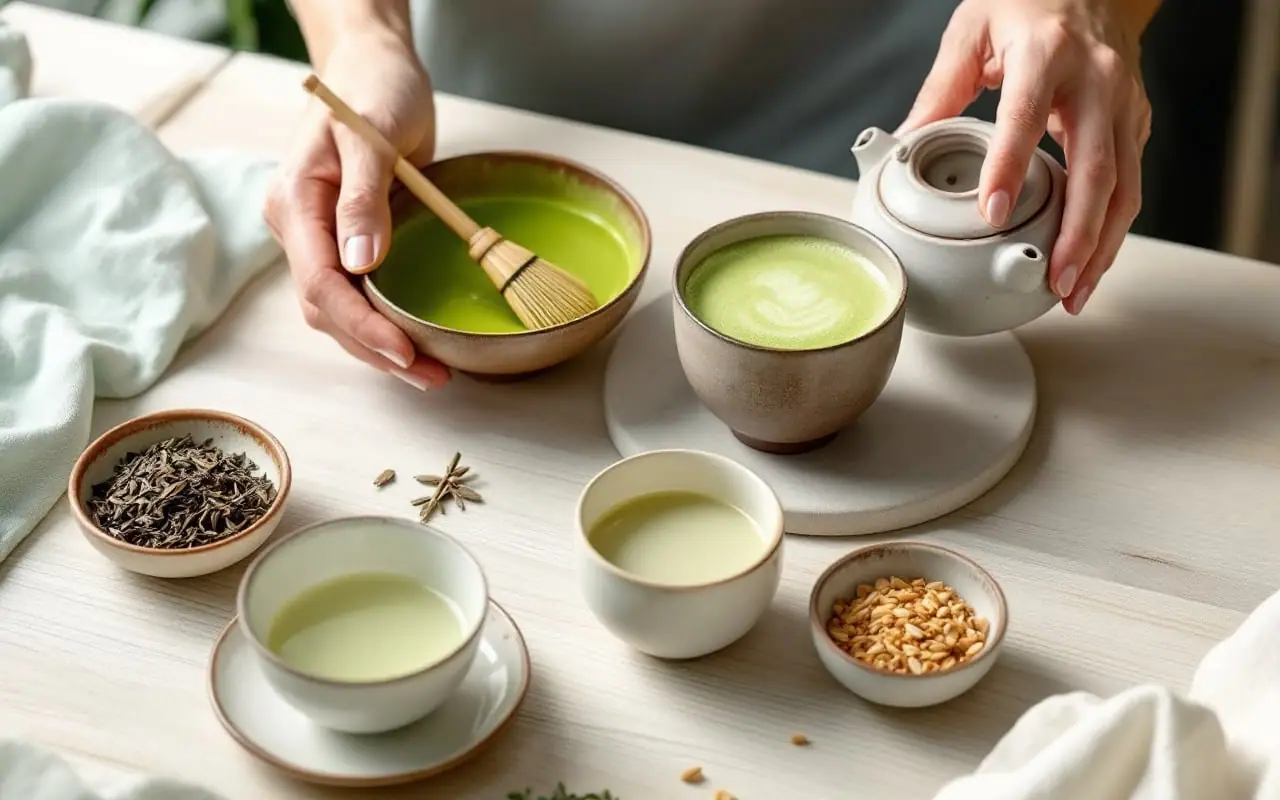
A plain cup has almost no calories, which is a real advantage over sweetened drinks and may be part of why tea drinkers look healthier in studies. If you are still working out the difference between sencha, matcha and the rest, the guide to choosing matcha and green tea goes through the main types.
What the research on green tea benefits shows
Heart and circulation
The most cited evidence comes from large Japanese studies that followed tens of thousands of adults for years. One of the best known, from Miyagi Prefecture and published in 2006, followed more than 40,000 adults and found that people who drank five or more cups a day were less likely to die of cardiovascular disease over the study period than those who drank less than one cup, with the clearest difference in women. Later Japanese cohort studies have reported similar patterns.
These are observational studies. They show that green tea drinkers did better, not that tea caused it. People who drink a lot of green tea may also eat differently, smoke less or move more, and researchers can only adjust for some of that. Small trials suggest green tea can lower LDL ("bad") cholesterol and blood pressure slightly, which fits the pattern, but the effects are modest.
Weight
Green tea is often sold as a way to speed up metabolism. Reviews of the trials, including one by the Cochrane collaboration, have found that green tea preparations lead to very small weight loss in adults with overweight, too small to matter for most people.
Cancer
Laboratory and animal studies on catechins drew attention here, but studies in people have been inconsistent. When the US Food and Drug Administration reviewed the evidence on green tea and cancer in 2005, it found it very weak, and the US National Center for Complementary and Integrative Health still describes the human results as inconsistent. Drinking green tea is fine. Drinking it to prevent cancer is not something the research supports.
Alertness and the brain
The caffeine in green tea wakes you up, as caffeine does. Small studies suggest that theanine and caffeine together may sharpen attention a little more than caffeine alone, and some people find green tea less jittery than coffee, possibly because there is simply less caffeine in a typical cup. Some Japanese observational studies have linked green tea drinking with less cognitive decline in older people, but again, that is an association.
A note: links to Amazon here are affiliate links. As an Amazon Associate I earn from qualifying purchases.
A small help with this: loose-leaf sencha on Amazon. A few more ideas sit at the end of this note.
How much caffeine is in green tea?
Less than coffee, cup for cup, with a couple of exceptions that surprise people. These figures come from Japan's Standard Tables of Food Composition (8th edition) and the US Department of Agriculture's FoodData Central:
| Drink | Caffeine | Typical serving | Per serving, roughly |
|---|---|---|---|
| Sencha | 20 mg per 100 ml | 150 ml cup | 30 mg |
| Hojicha | 20 mg per 100 ml | 150 ml cup | 30 mg |
| Bancha | 10 mg per 100 ml | 150 ml cup | 15 mg |
| Genmaicha | 10 mg per 100 ml | 150 ml cup | 15 mg |
| Gyokuro | 160 mg per 100 ml | 40 ml small cup | 64 mg |
| Matcha | about 32 mg per gram of powder | 2 g in a bowl | 64 mg |
| Green tea from a bag (US) | 12 mg per 100 ml | 240 ml mug | about 29 mg |
| Black tea | 20 mg per 100 ml | 240 ml mug | 48 mg |
| Brewed coffee | 40 mg per 100 ml | 240 ml mug | 96 mg |
| Espresso | about 63 mg per single shot | 1 shot | about 63 mg |
Real cups vary a lot. More leaf, hotter water and a longer steep all pull out more caffeine, so a strong mug of sencha made with boiling water can carry more than the table suggests. Two rows catch people out. A small cup of gyokuro, sipped slowly like a fine spirit, holds about as much caffeine as a single espresso, and a bowl of matcha is similar, because you drink the whole powdered leaf. And hojicha, the roasted brown tea often sold as the gentle evening choice, comes out the same as sencha in Japan's tables. Where a hojicha is lower, that is mainly down to the leaf it is made from (often older leaves and stems), not to roasting burning the caffeine away. Bancha and genmaicha come out lower, again mainly because of the older, larger leaves they use, and in genmaicha's case because much of what is in the pot is roasted rice.
For a sense of a whole day: three 150 ml cups of sencha come to about 90 mg, two bowls of matcha to about 128 mg, and two 240 ml mugs of coffee to about 192 mg. Together that is 410 mg, just over the 400 mg a day that the US Food and Drug Administration gives as an amount not generally linked with harmful effects in healthy adults. The green tea caffeine calculator adds up your own cups and has a pregnancy setting.
Other limits are worth knowing. The American College of Obstetricians and Gynecologists advises keeping caffeine under 200 mg a day in pregnancy. The European Food Safety Authority considers single doses of up to 200 mg unlikely to cause problems for healthy adults. There is no set safe level for children in the US; Health Canada uses 2.5 mg per kilogram of body weight a day for children, so a child weighing 20 kg would reach it at 50 mg, less than one small cup of gyokuro.
The best time to drink green tea
There is no single best time, but a few habits make sense.
- Have the caffeinated teas between morning and mid-afternoon. The body takes several hours to clear half of a dose of caffeine, and longer in pregnancy and with some medicines. If your sleep is fragile, make the early afternoon cup your last strong one.
- Drink tea between meals if your iron is low. Tea catechins reduce how much iron the body absorbs from plant foods and eggs. People with iron deficiency, including many with heavy periods, do better leaving an hour or so between tea and meals.
- Have it with food if strong tea upsets your stomach. Some people get mild nausea from green tea on an empty stomach, and caffeine can make reflux worse; the piece on acid reflux at night covers that in more detail.
- Let it cool a little. The WHO's International Agency for Research on Cancer classifies drinking very hot beverages, above about 65°C (149°F), as probably carcinogenic, linked to cancer of the esophagus. Japanese green teas are mostly brewed well below boiling anyway, and the green tea brewing chart gives temperatures and times for each type.
- In the evening, choose something without caffeine. In Japanese homes the usual answer is mugicha, roasted barley tea, which is not tea at all and has no caffeine. It is served cold all summer.
Extracts are a different story
Brewed tea and green tea extract are not the same thing. Capsules, powders and some weight-loss products concentrate catechins far beyond what anyone gets from cups of tea, and they are often taken on an empty stomach. Rare but serious cases of liver injury have been linked to these extracts, and the European Food Safety Authority concluded in 2018 that high intakes of EGCG from supplements can raise markers of liver damage, while catechins from brewed tea are generally considered safe. Anyone who notices yellowing of the skin or eyes, dark urine or pain under the right ribs while taking a green tea supplement should stop it and see a doctor promptly. The Japanese studies that made green tea famous were about people drinking tea, not swallowing extract.
Who should go easy
- People who are pregnant or breastfeeding, who should count caffeine from every source, including matcha sweets, canned tea and green tea lattes.
- Anyone with heart rhythm problems, anxiety, insomnia or reflux that caffeine makes worse.
- People with iron-deficiency anemia (see the timing advice above).
- Anyone taking warfarin who drinks matcha daily. Because you consume the whole leaf, matcha carries more vitamin K than brewed tea. Keep your intake steady and mention it to your doctor or pharmacist.
- People on regular medicines. According to the US National Center for Complementary and Integrative Health, green tea can lower blood levels of nadolol, a beta blocker used for blood pressure and heart conditions, and caffeine interacts with a number of other drugs. A pharmacist can check your list in a few minutes.
- Children and teenagers, for whom bottled and canned green tea drinks add up quickly.
A sensible tea day
- A few cups of sencha or bancha, mostly before mid-afternoon.
- Matcha and gyokuro counted as the stronger drinks they are.
- Tea between meals if your iron runs low.
- A minute's pause before sipping a freshly poured cup.
- Mugicha or plain hot water after dinner.
- Questions about pregnancy, heart rhythm, medicines or supplements taken to a doctor or pharmacist.
Drink it because you like it. The research suggests that habit does you no harm and may do a little good, which is about as much as any honest scientist will say for a drink.

The writer
Shun is a health journalist based in Fukuoka. He reads the guidance published by health ministries and medical bodies and explains how check-ups, seasons and everyday life in Japan touch our health.