What the old engawa can teach you about a patio you will actually use
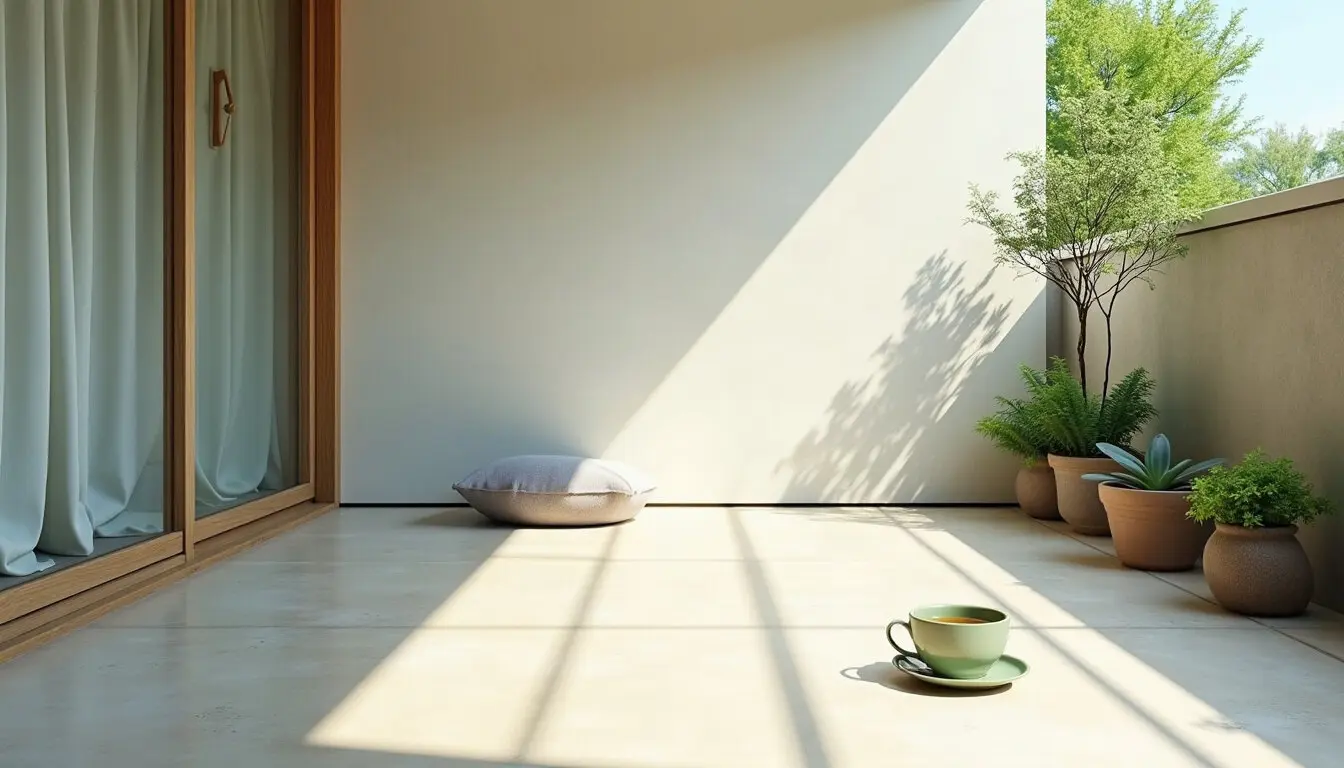
My grandmother liked to say hayaoki wa sanmon no toku, which means, roughly, that getting up early earns you three small coins. She collected her three coins every day on the engawa, the narrow wooden veranda that ran along the garden side of her house, with a cup of tea and the shutters pulled back.
Few homes in the United States have an engawa, but many have room for a patio, which can do much the same job. If you live near Franklin, Tennessee, the patio pages from Franklin TN Concrete Works, which cover concrete patio work in that area, are one practical place to start. This piece is about the other half of the question: what makes an outdoor space good for the body, and how to look after it so it stays that way.
The engawa was a room for in-between moments
The engawa sits under the deep eaves of a traditional Japanese house, between the rooms inside and the garden outside. It is neither fully indoors nor fully out. In summer the eaves keep off the high sun and the rain, so the boards stay cool and a breeze moves along them. In winter the low sun reaches in under the eaves and warms the wood, and people sit there to catch it on a still afternoon.
Families used the engawa for all sorts of small things. Shelling beans, drying persimmons, cutting a child's hair, sitting with a neighbor who dropped by, watching the rain come down in early summer. None of these were exercise in the modern sense, but each one took a person out of the house, into daylight and fresh air, and up and down from the boards many times a day.
Three mon was never much money, and that was my grandmother's point: the morning gives you something modest but real, and it gives it every day. The engawa was where she went to collect it. She did not think of it as a health habit. It was simply where the day began, and by the time she came back inside she had been in the light, breathed the garden air and bent and straightened a dozen times.
That is the quiet value of a good outdoor space. It does not ask you to start a fitness program. It simply makes it easier and more pleasant to step outside, and the body does the rest.
What the morning outdoors does for the body
The traditional idea of yojo, looking after your health day by day, puts a great deal of weight on ordinary rhythms: rising with the light, eating at regular times, moving a little through the day. Modern health guidance has come around to some of the same points. Daylight in the morning is one of the strongest signals the body uses to set its daily clock, which is linked to sleeping well at night. Gentle movement and time outdoors are widely encouraged for mood and general health, especially for people who spend most of the day sitting.
A patio by the back door lowers the effort involved. A cup of coffee outside instead of at the counter, a few slow stretches while the kettle boils, a short walk to the end of the garden and back. These are small actions, and that is exactly why people keep doing them.
Evenings count too. A patio that stays pleasant after dinner invites a few minutes outside as the light fades, away from screens, which many people find helps them wind down. In the warm months in Tennessee, the hour after sunset is often the most comfortable time of the day to sit out.
There is also the matter of getting up and down. Sitting on low chairs or steps and rising again, many times a week, is ordinary work for the legs and hips. My grandmother did it on the engawa well into old age. It is the kind of everyday movement that disappears when life moves entirely to sofas and car seats.
What makes an outdoor floor kind to the body
An outdoor space is only good for the body if it is safe to move on. Most of the risks are about feet and balance, and most of them can be avoided with planning. When you are thinking about a new patio or looking at an old one, these are the qualities worth asking about:
- A level, even surface with no lips or sudden edges to catch a toe
- A finish that is not slick when wet, since morning dew and summer storms are common in middle Tennessee
- A gentle slope that carries rainwater away from the house so puddles do not sit on the surface
- Steps of even height, with a sturdy rail if there is more than one or two
- Some shade for summer, whether from a tree, an awning or a pergola, because a bare surface in full sun gets hot
- Soft lighting at the door and along any steps for evenings
Think, too, about the route between the door and the patio. A high step down from the kitchen, a threshold that catches a slipper, or a dark corner by the back door can undo the good of a well-made surface. The engawa worked partly because it was level with the floor inside, so stepping out took no thought at all. The closer you can come to that ease, the more often you will go outside.
Slope, drainage, the base under the slab and anything that affects the house itself are questions for a qualified contractor. Ask how they plan to handle water, and how the surface will cope with the humid summers and occasional hard freezes the region sees.
Looking after it before it goes wrong
There is an old idea in Japanese medicine called mibyo, which describes the state before an illness has fully appeared. The traditional view was that the best time to look after something is at that stage, before it becomes a problem. I find it a useful way to think about a house as well as a body.
For a patio, mibyo care is simple and seasonal:
- Sweep it often, especially in autumn, when wet leaves turn a surface slippery.
- Watch shady corners for moss or algae, which make concrete slick after rain. A stiff brush usually clears it.
- After winter, walk the whole surface slowly and look for new cracks, raised edges or sunken spots.
- Notice where water stands after a storm. A puddle that keeps returning in the same place is worth mentioning to a professional.
- Check that any rails are still firm and that steps have not shifted.
Small cracks are common in concrete and are not always a concern, but a crack that widens, an edge that lifts, or a step that moves is worth having looked at by someone who does this work, before it becomes a trip hazard.
When to see a doctor
Most stumbles end with nothing worse than a fright. Still, see a doctor after a fall if you hit your head, especially if you take blood thinners, or if you have pain that does not ease, swelling, or difficulty putting weight on a leg. If you notice numbness, tingling or weakness in an arm or leg, or a joint that is hot, swollen and painful without any injury, have that checked too.
Tennessee summers are hot and humid, and an hour of yard work on a sunny patio can bring on heat illness. Dizziness, headache, nausea, confusion, very heavy sweating, or skin that is hot and dry are signs to stop, move into the shade, drink water and cool down. Confusion, fainting or a body that will not cool down is an emergency.
Yojo habit: Each morning, take your first cup of tea or coffee outside, stand or sit in the daylight for five quiet minutes, and stand up from your seat slowly and deliberately when you finish.
The one thing to remember
My grandmother's three small coins were never about money. They were the light, the air and a little movement that the morning gives freely to anyone who steps outside, and a safe, pleasant place to stand is what turns stepping outside into a daily habit.

The writer
Keiko spent many years at the counter of a family-run pharmacy in Kumamoto that stocked kampo medicines. She writes about kampo, acupuncture and the old idea of yojo, carefully and with the evidence in view.