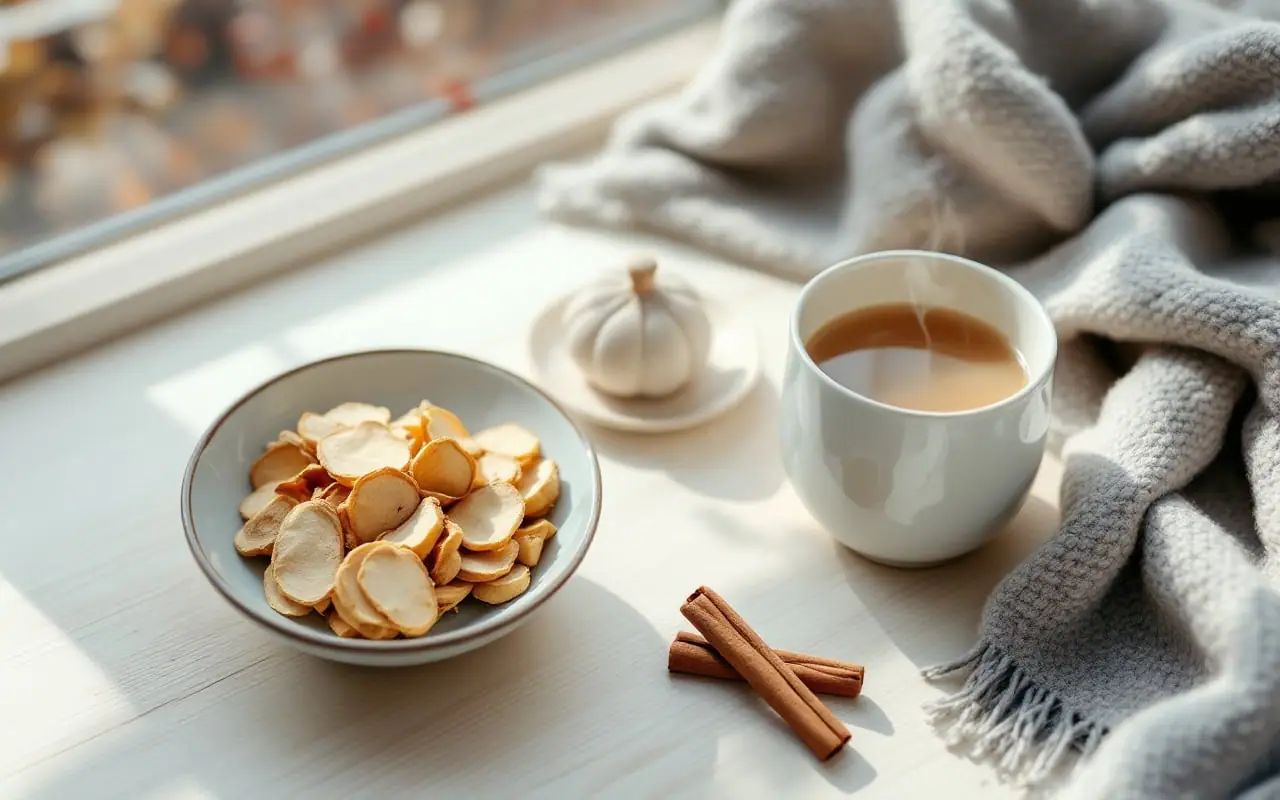
Kakkonto and the common cold: what it was made for
Kakkonto is the kampo formula most Japanese homes know for colds. What it was traditionally meant for, what studies show, and who should ask first.
Writer
Keiko spent many years at the counter of a family-run pharmacy in Kumamoto that stocked kampo medicines. She writes about kampo, acupuncture and the old idea of yojo, carefully and with the evidence in view.
Kakkonto is the kampo formula most Japanese homes know for colds. What it was traditionally meant for, what studies show, and who should ask first.
What is inside a green tea bag, how to brew one so it is not bitter, how decaf green tea is made, and which teas carry little or no caffeine.
How the Japanese veranda shaped daily life, what morning daylight and small movements do for the body, and how to keep an outdoor space safe.
Matcha, sencha, hojicha, tea bags or decaf: what each Japanese green tea is, how much caffeine it carries, and how to pick one that suits your day.
Japan's rainy season leaves many people heavy, foggy and short of sleep. What kampo calls dampness, what modern medicine says, and what actually helps.
Not ill, not quite well: the old East Asian idea of mibyo, how it lines up with modern prevention, and how to keep it from being turned into a sales pitch.
Kampo is herbal medicine that ordinary Japanese doctors prescribe next to everyday drugs. Where it came from, how it is used, and how to stay safe with it.