What the Japanese winter bath can teach you about a safer bathroom
Every winter in Japan, as the first cold nights arrive, the same reminder comes round from public bodies and on the evening news: take care in the bath. The Japanese bath is a nightly ritual for many families, and the risk is not the bath itself but the contrast between a cold changing room and very hot water. Older people are the ones most often affected.
The lessons translate well to any home, including one in the Arizona desert. In Scottsdale, one local option is Toscani Interior Services Scottsdale, whose pages cover bathroom remodels and tub to shower conversions. This piece explains how the Japanese approach to bath safety works, and what it suggests to look for in your own bathroom, whether or not you plan to change it.
How the Japanese bath works, and why winter changes it
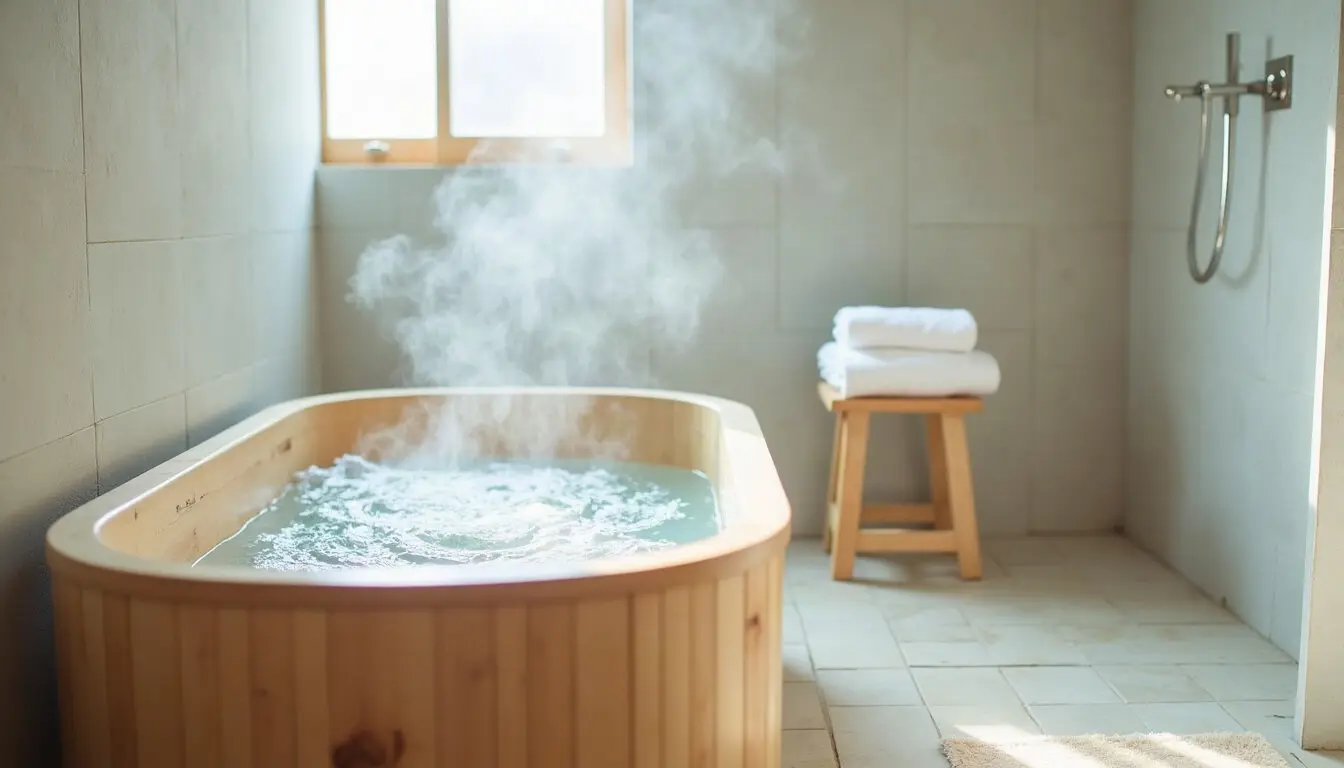
A traditional Japanese bath has a clear order. You wash and rinse on a stool outside the tub first, then climb into a deep tub of hot water to soak, often up to the shoulders. The water is for warming and relaxing, not for washing, so in many homes the whole family shares it over an evening. For many people the soak is the moment the working day ends.
In winter, the route to that tub can be cold. Older Japanese houses often have unheated changing rooms and bathrooms, so a person undresses in the cold and then lowers themselves into very hot water. The rapid change in temperature puts a strain on blood pressure and circulation. Japanese media call this heat shock, using the English words, and the advice that public bodies repeat each winter is broadly consistent:
- Warm the changing room and bathroom before you undress.
- Keep the bath water warm rather than very hot, and do not stay in for a long time.
- Get out slowly, because standing up quickly from hot water can leave you light-headed.
- Avoid bathing straight after drinking alcohol, after a large meal or after taking medicines that make you drowsy.
- Let someone in the house know you are going for a bath, especially if you are older or live with a heart condition.
Why older people in particular? With age, the body tends to adjust more slowly to sudden swings in temperature, and many older adults also take medicines that affect blood pressure. A younger person might step from a cold room into a hot tub and feel nothing more than a pleasant shock. For someone in their seventies or eighties, the same move can bring on dizziness or a faint, and a faint in deep water or on a hard, wet floor is dangerous in a way that a faint in an armchair is not.
None of this is complicated. It is a set of small precautions built around one simple idea: avoid sudden changes, and make sure someone would notice if something went wrong.
The bathroom is where many home falls happen
Even without hot water, the bathroom combines most of the conditions for a fall: wet, hard floors, a high tub edge to step over, low places to sit and get up from, and often poor light at night. Health bodies in many countries list it among the riskiest rooms in the house for older adults.
A short walk-through of your own bathroom can reveal a lot. Check these points:
- The floor: is it slippery when wet, and is there a bath mat that stays put rather than sliding?
- The step in and out: how high is the tub edge, and is there something firm to hold while you step over it?
- Places to hold: towel bars and sinks are not built to take a person's weight, so are there proper grab bars where you need them?
- Night light: can you see the floor clearly on a trip to the bathroom at night without switching on a harsh overhead light?
- Warmth: is the room comfortable in the cooler months, or do you hurry through it?
- The door: could someone get in quickly if you fell or felt unwell, or does the lock make that hard?
Scottsdale's mild winters mean a cold bathroom is less of a problem than in a wooden house in northern Japan, but desert nights do get cool, and the other points apply anywhere.
Tub or walk-in shower: a fair comparison
For many households the big question is whether to keep a bathtub or replace it with a walk-in shower. There is no single right answer. It depends on who lives in the house now, and who might live there in ten years.
| Point to weigh | Bathtub | Walk-in shower |
|---|---|---|
| Getting in and out | Requires stepping over an edge and getting up from a low position | Can be designed with a low or no threshold |
| Warming and relaxing | Hard to beat for a long, warm soak | Warm, but no soak |
| Seating | Sitting is on the tub floor | A built-in or fold-down seat is possible |
| Cleaning | Edges and corners to reach | Often easier, depending on the design |
| Who it suits | People who value soaking and move easily | People with stiff joints, balance concerns, or who want to plan ahead |
Some households keep a tub in one bathroom and choose a walk-in shower in another, which gives both options. In Japan, where the soak matters so much, many newer bathrooms are built as a single wet room with a flat floor, a seat and a deep but lower tub, which shows that comfort and safety do not have to compete.
Questions to ask before a bathroom remodel
If you are planning changes, you do not need to know how the work is done to ask useful questions about how it will feel to use the room. These are worth raising with any designer or contractor:
- Which floor finishes are less slippery when wet?
- Can the shower entry be low or level, and how will water be kept inside the shower area?
- Where would grab bars go, and is the wall prepared to hold them securely?
- Is there room for a seat, and a handheld shower that can be used sitting down?
- How will steam be cleared? Even in a dry climate, a closed bathroom holds moisture after a hot shower, and a properly sized fan helps prevent mold on grout and ceilings.
- Can lighting include a soft, low light for night use?
The answers will vary with the house and the budget. A good company will explain the options and the tradeoffs rather than steering you toward the largest job.
When to see a doctor
Feeling a little warm and relaxed after a bath is normal. Feeling dizzy, faint or light-headed in or after a bath is not something to shrug off, especially if it happens more than once. Mention it to your doctor, along with any medicines you take for blood pressure or your heart, and ask what bath temperature and length are sensible for you.
Chest pain, sudden breathlessness, confusion, slurred speech or weakness on one side during or after a bath are emergencies: call for help at once. After a fall in the bathroom, get checked if you hit your head, particularly if you take blood thinners, or if you have pain, swelling, or cannot put weight on a leg. If you live alone and have had a fall or a dizzy spell, tell your doctor even if you feel fine afterward.
Yojo habit: Before every evening bath or shower in the cooler months, warm the bathroom for a few minutes first, and tell someone in the house that you are going in.
The one thing to remember
Japan's winter bath advice comes down to avoiding sudden changes and making sure someone would notice. Bring that idea into your own bathroom, in the way you bathe and in the way the room is laid out, and the nightly bath stays the relaxing ritual it should be.

The writer
Shun is a health journalist based in Fukuoka. He reads the guidance published by health ministries and medical bodies and explains how check-ups, seasons and everyday life in Japan touch our health.