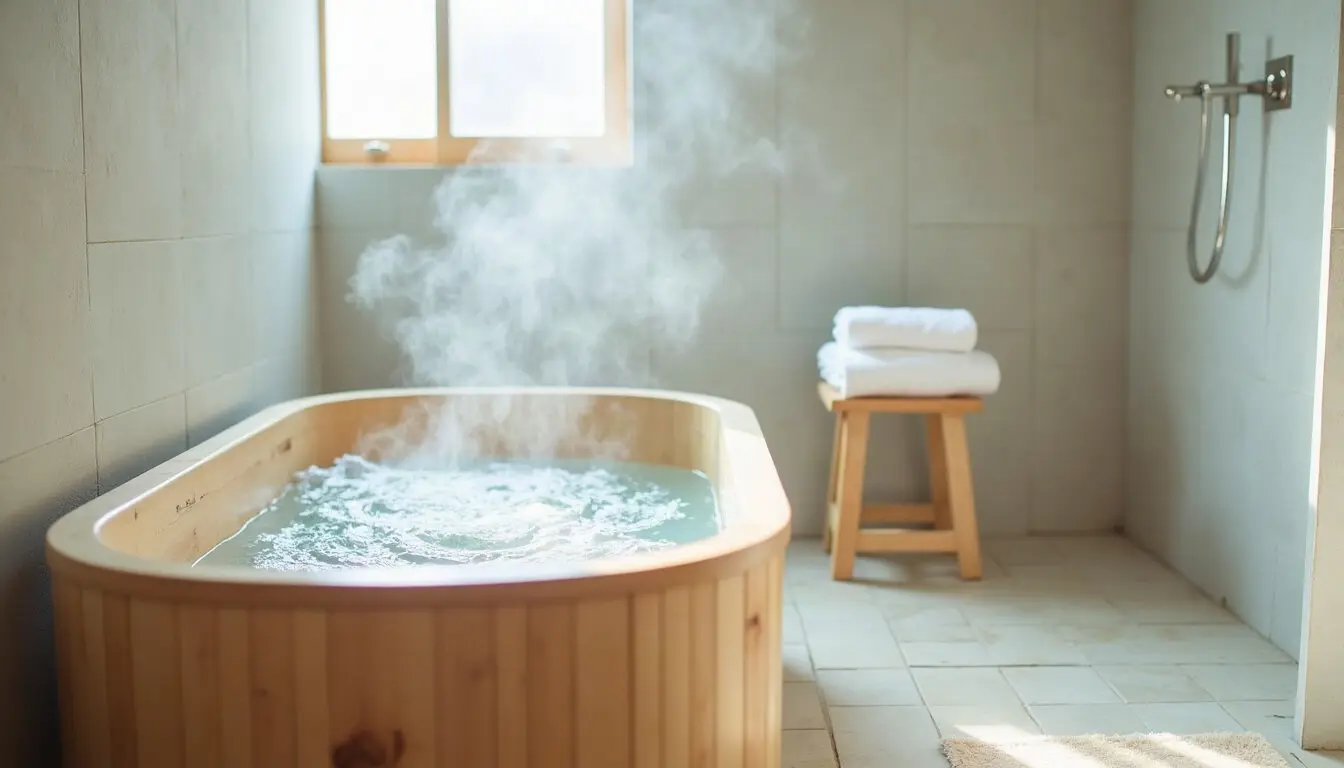
What the year-end osoji can teach you about a bathroom that dries out
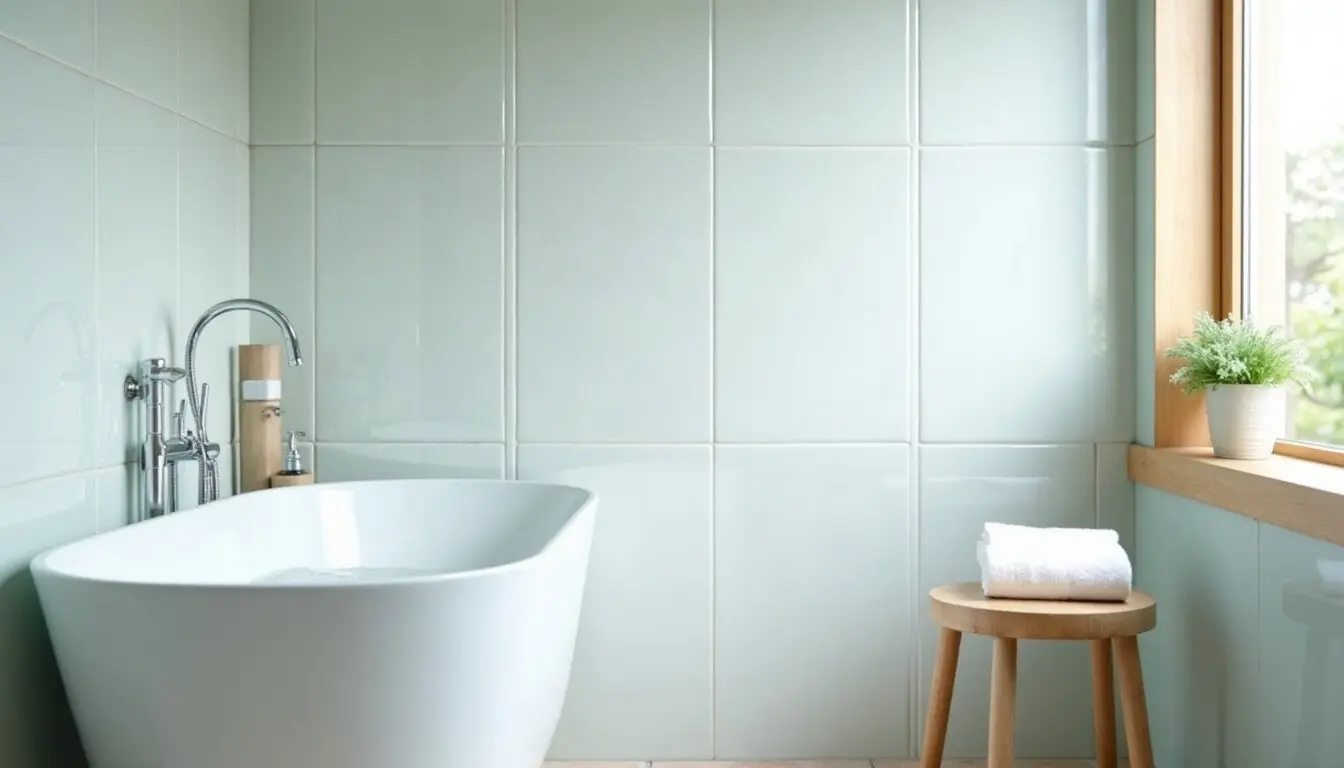
Japan's year-end clean shows why a bathroom should dry fast after every bath, and which surfaces make damp and mold easier to keep in check.

Writer
Shun is a health journalist based in Fukuoka. He reads the guidance published by health ministries and medical bodies and explains how check-ups, seasons and everyday life in Japan touch our health.
Japan's year-end clean shows why a bathroom should dry fast after every bath, and which surfaces make damp and mold easier to keep in check.
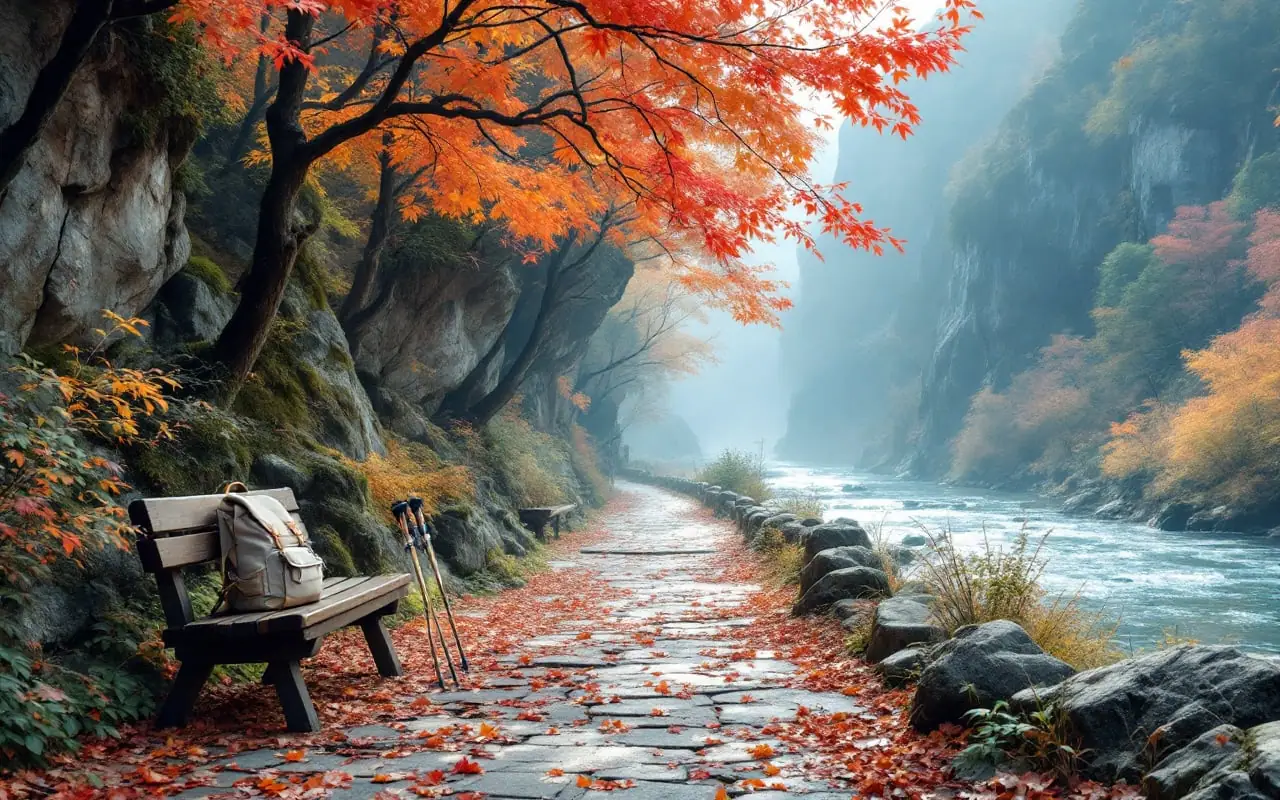
Maple valleys, cold mornings and slippery stone steps: how to enjoy an easy autumn walk in Kyushu, with notes on layers, shoes, water and warning signs.
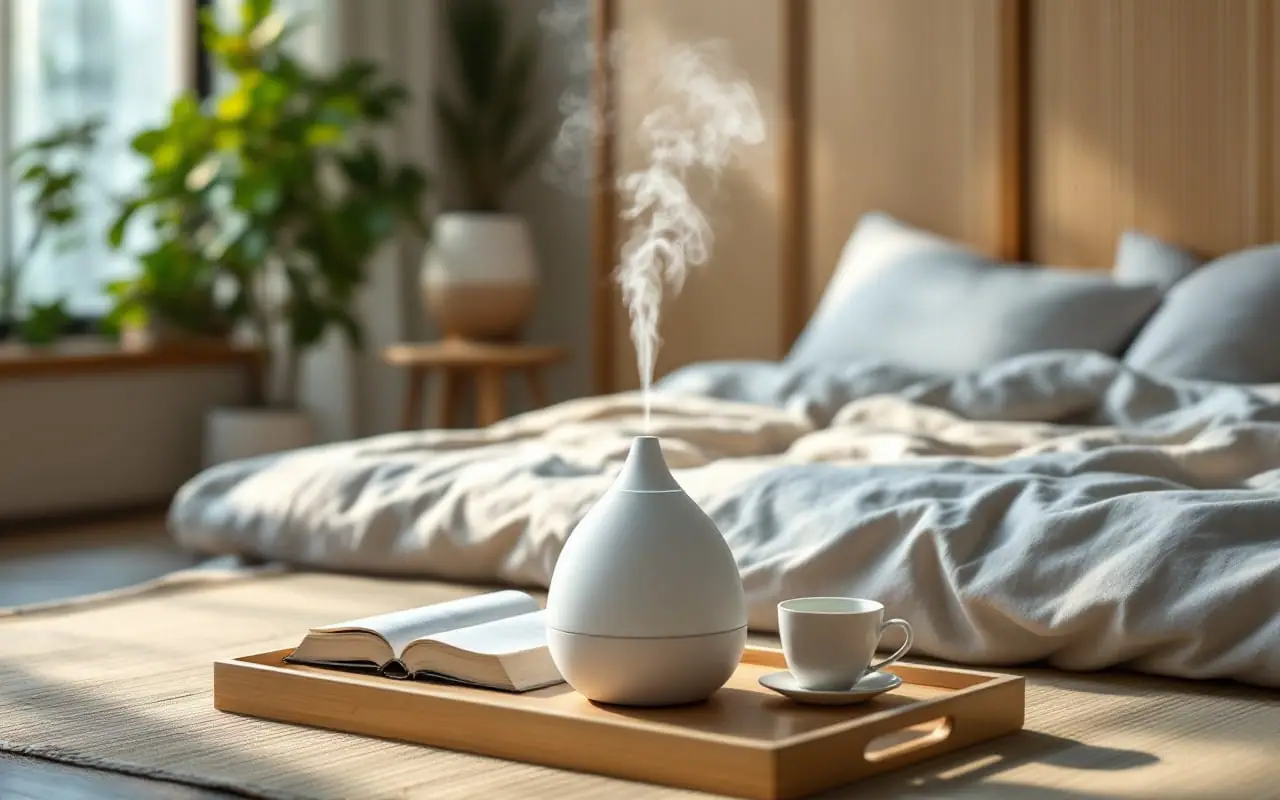
Can a scent help you sleep? What lavender studies found, how to use oils safely at bedtime, and which sleep problems need a doctor, not a diffuser.
What thin mountain air and hours of sitting do to the body after a ski trip, and the simple habits that make the ride home easier.
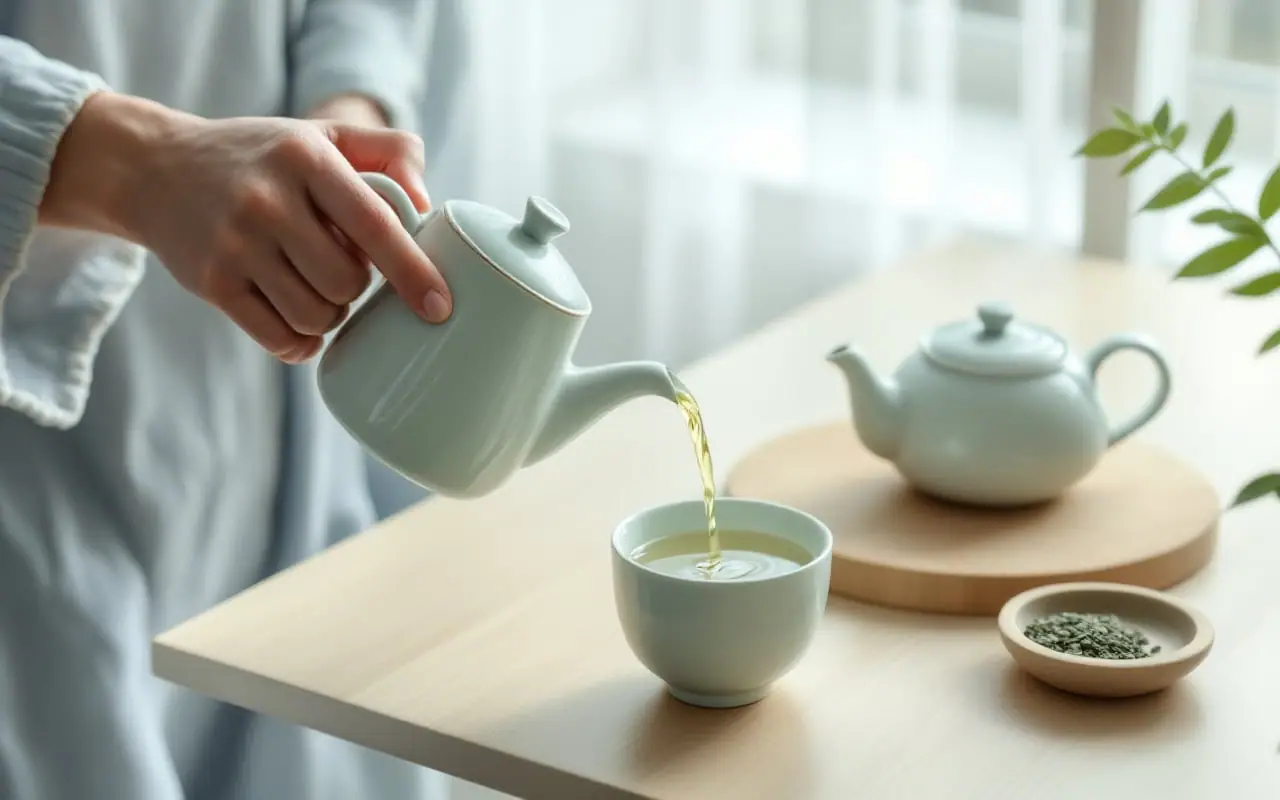
Green tea is a sensible daily drink for most adults. What big studies found, the caffeine in each cup, the best time to drink it, and who should go easy.
How Japan's winter bath advice works, and the simple checks that make any bathroom safer, from the floor and the tub edge to the light at night.
Probiotics are live microbes; prebiotics are fibers that feed the ones already in your gut. What each does, which foods carry them, and what the evidence says.
From Beppu's steam to Ibusuki's sand baths: how to bathe the Japanese way in Kyushu, and how to keep heat, alcohol and winter chill from catching you out.
Workplace check-ups, tokutei kenshin from 40, city cancer screenings and the ningen dock: how Japan's check-up system fits together and how to read results.
Why heartburn flares after you lie down, what late dinners and izakaya nights have to do with it, and which signs mean it is time to see a doctor.