Uneven floors and sticking doors: small habits that help, and when to get it checked
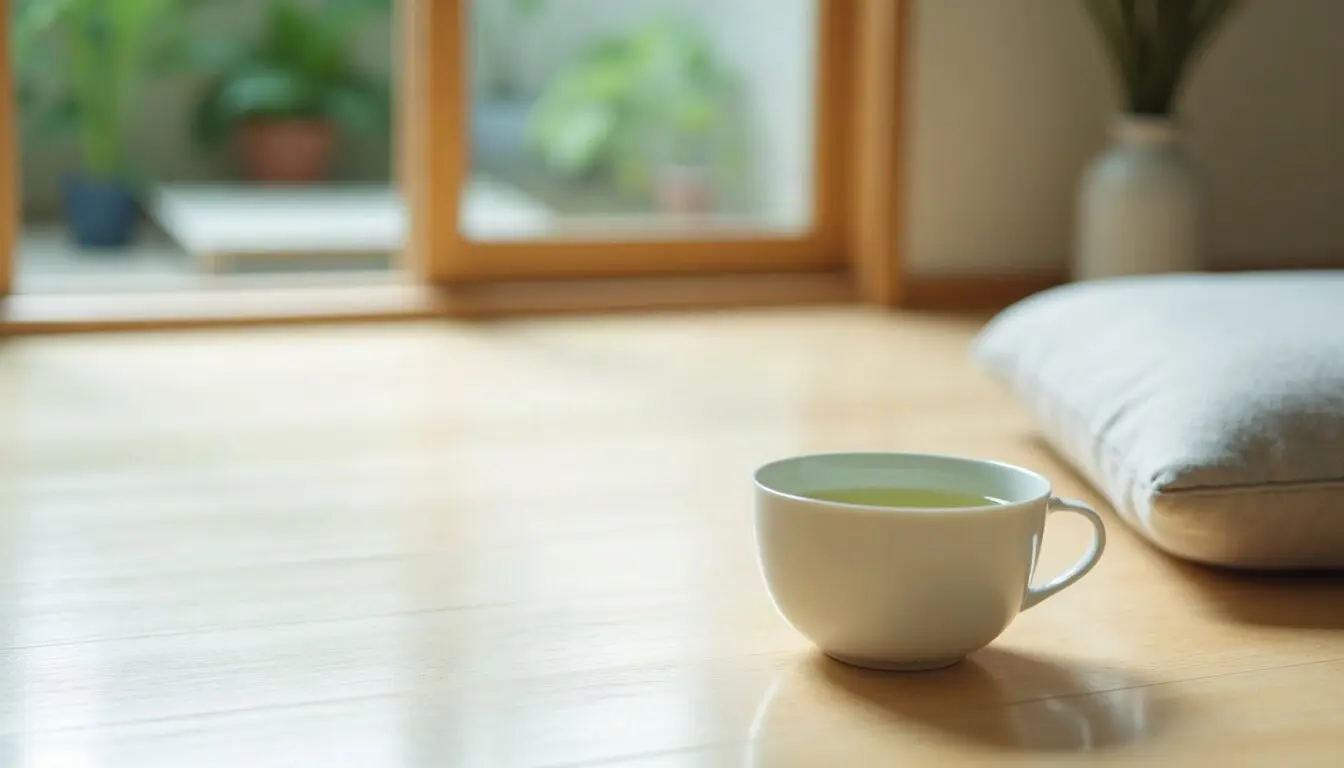
You set a cup of tea down on the floor beside your cushion, and the tea sits at a slight tilt. The bedroom door has started catching on its frame, and your left hip aches after an hour of kneeling. In homes with hot summers and soil that swells and shrinks with the weather, the ground can move enough to show up in floors and doors, and a local company such as Addison Foundation Pros is the sort of place that looks at what is happening underneath.
This piece is about the other half: what an uneven home asks of your body, the small habits that help while you wait, and when the aches deserve a doctor.
Your body notices a slope before your eyes do
In Japan a lot of daily life happens close to the floor. People sit on zabuton (flat floor cushions), kneel in seiza (sitting back on the heels) for a meal or a visit, and sleep on a futon laid straight onto tatami mats. In a room like that, the floor is the furniture. If it tilts, you feel it in your knees, hips and lower back long before you could point to the problem with a spirit level.
The same is true in a house built for chairs and beds. A floor with a gentle dip makes you stand with a little more weight on one leg at the kitchen counter. A bed frame on a slope rolls you towards one side of the mattress, so you wake with one shoulder stiffer than the other. A desk chair with castors creeps downhill, and you brace one foot to keep it in place without thinking about it.
Each of these is tiny. The trouble is repetition. Your muscles are very good at quietly compensating, and that quiet work is what leaves you stiff by bedtime. When I worked on sore backs in Yorkshire, plenty of people's "bad side" matched the way their kitchen or bed was set up.
Doors, cracks and trip edges are worth writing down
You don't need to understand foundations to notice that a house is moving. What you can do is keep a simple record of what you see, so that whoever comes to look has something to go on. Walk through your home slowly, once, and look for:
- interior doors that stick, swing open on their own or leave a gap at the top that wasn't there before
- new cracks in plaster or plasterboard, especially running out from the corners of doors and windows
- floor tiles that have cracked or lifted, or a skirting board that now has a gap above the floor
- a spot where you, or someone older in the family, keep catching a toe
Write the date next to each one, and take a photo with something ordinary in the frame, such as a coin or a pen, so you can see later whether a crack has grown. Then leave the diagnosis to the people trained for it. Foundation and structural work is a job for professionals, and none of this is about fixing anything yourself. It is about telling them clearly what you have noticed and when.
The trip edges matter for health more than anything else on that list. A small lip between two floor surfaces, or a board that has risen at one end, is easy to step over in daylight and easy to miss on the way to the toilet at night. Falls at home are a common way to get hurt, more so with age, poor light and tired legs.
Change the room while the house is being looked at
Foundation work takes its own time: an inspection, a plan, then the work itself. In the meantime, you can make the rooms you use most kinder to your body. I always split this into two lists, "change the room" and "change the habit", because people tend to try the second and forget the first.
Change the room
- Light the route you walk at night. A small plug-in night light in the hallway and bathroom means you see any raised edge before your foot finds it.
- Move the bed so you sleep level. If one end of the bedroom dips, try the bed against a different wall. Lie on it and check that you don't feel yourself rolling.
- Put your work where the floor is truest. Your desk, your ironing board and the place you stand to chop vegetables are where you spend the longest in one posture. Find the flattest part of the room for them.
- Mark or cover a trip edge. A flat, non-slip mat with a low bevelled edge, laid so it does not create a new edge of its own, can make a small lip easier to see and step over. Tell everyone in the house where it is.
Change the habit
- Swap sides. If you always stand with weight on the same leg at the sink, change feet each time you rinse a plate.
- Get up every half hour. Stand, walk to the window and back. It resets the muscles that have been quietly bracing.
- Kneel for shorter spells. If seiza or kneeling on the floor leaves a joint sore, sit on a cushion with your legs to one side, or use a low stool, and change position often.
- Take the stairs with a hand on the rail. Sticking doors and uneven treads are a reminder that the house is not quite square. Your hand on the rail costs nothing.
A gentle routine for the end of the day
After a day of small corrections, the body likes to be put back in the middle. This is the short routine I give to anyone who asks, and it takes about five minutes on a level bit of floor or standing by the bed.
- Stand tall and shift your weight. Feet hip-width apart. Rock gently from one foot to the other ten times, then forwards and back, until you feel your weight settle evenly.
- Roll the shoulders. Five slow circles backwards, five forwards. This is for katakori (stiff shoulders), which often comes from bracing you didn't know you were doing.
- Loosen the hips. Hands on hips, make slow circles as if you were stirring a big pot, five each way.
- Lie down and let go. On your back on the bed or a futon, knees bent, feet flat. Let your knees fall slowly to one side, hold for a few breaths, then the other. Stop if anything pinches.
- Finish with the bath. If you have an evening bath, warm water is a pleasant way to end. Step in and out carefully, especially if the bathroom floor is one of the places that has shifted.
None of this changes the house. It simply stops today's bracing becoming tomorrow's stiffness.
When to see a doctor, not just a builder
Uneven floors explain a lot of everyday aches, but they don't explain everything. It is easy to blame the house for a pain that has another cause, so take these signs seriously and see a doctor promptly if you notice any of them:
- numbness, tingling or weakness in an arm or leg
- pain after a fall, a trip or a knock, even if you got up and carried on
- pain that wakes you at night or is worse when you are lying still
- back or joint pain with a fever, or with feeling generally unwell
- a joint that is hot, swollen or suddenly hard to move
- trouble with balance, dizziness or falls that keep happening
For an older parent, a fall at home deserves a proper check even if they insist they are fine. The house and the body each need their own expert, and it helps to have both looked at rather than guessing which one is to blame.
The house and the body settle together
The idea of yojo, looking after your health a little every day, has always included the home. Airing the futon, keeping the floor clear, choosing a warm room for winter: these are ordinary acts of care that the body feels. A house that has started to move is part of that same picture. You can't fix the ground with good posture, and you can't fix a sore back by levelling the floor alone, but paying attention to both at once makes each easier.
There is also a calm in knowing. Once someone qualified has looked underneath, the house stops being a vague worry, and you can put your energy into the part that is yours: how you stand, sit and move.
Yojo habit: Once a season, put a cup of water on the floor where you sit, stand or sleep most, and look at it. If it sits flat, carry on; if it tilts or the doors feel different, write the date down and get the house checked.
The one thing to remember
When your body starts aching in the same place every day, look at the floor you stand on as well as the way you stand on it. Keep a simple record for the professionals, make the rooms safer while you wait, and see a doctor for any pain that comes with numbness, a fall or a bad night.

The writer
Neil worked as a sports-massage therapist in Yorkshire before moving to Kitakyushu. He writes about stiff shoulders, backs, desks and floor sitting, in plain words and without selling you a gadget.