Summer nights and your bedroom air: looking after the wall unit that cools you
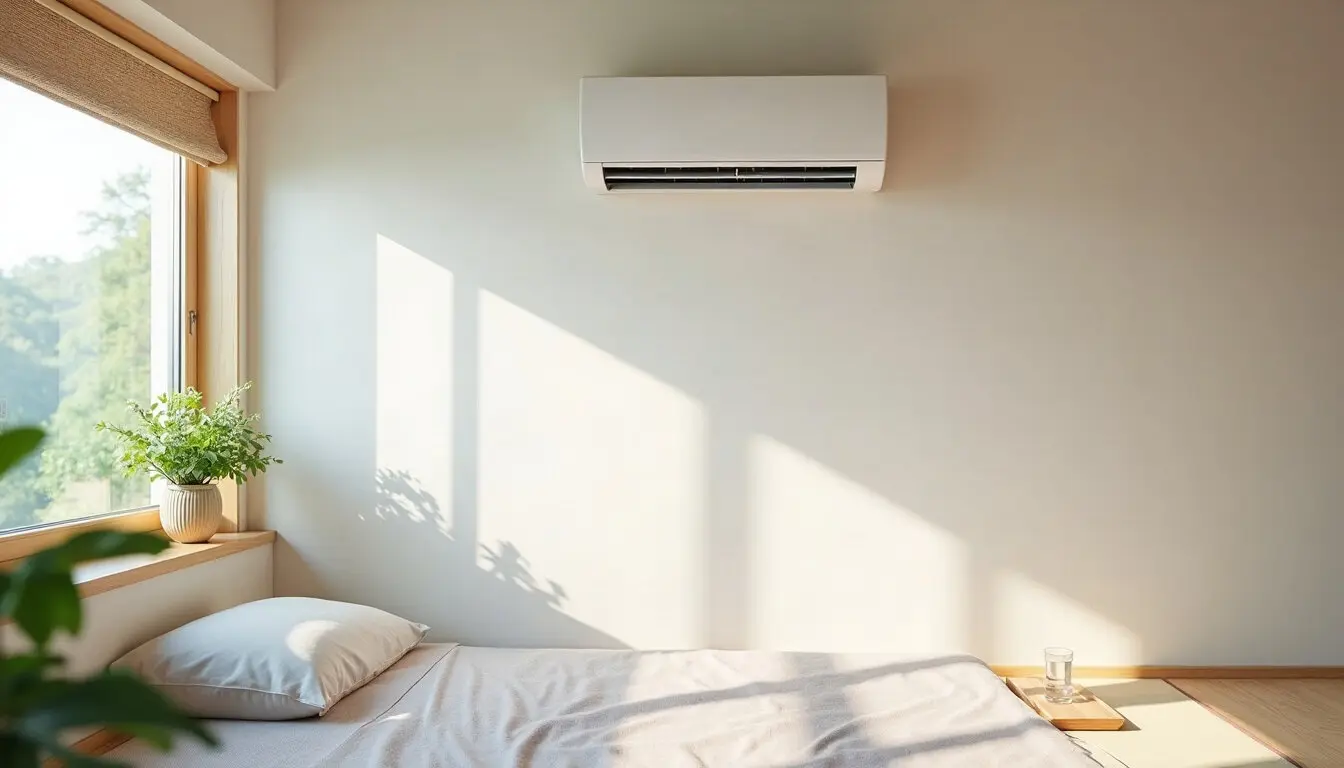
The first warm afternoon of the year has a smell of its own. You close the curtains against the sun, switch on the wall unit for the first time since autumn, and for a minute the room fills with something faintly stale, like a cupboard that has been shut too long. Then the air cools, the smell fades, and you forget about it until the next hot spell.
That small moment is worth paying attention to, because the air a cooling unit pushes into a bedroom is the air you breathe all night. In Colorado, the mini split AC repair Castle Rock households look up each summer is a reminder that these quiet wall units need looking after like anything else in the home. This piece is about keeping a cooled room fresh and easy to sleep in, what you can sensibly do yourself, and when the unit or your own body needs a proper check.
Summer air asks a lot of a closed room
In Japan, summer arrives in two parts. First comes tsuyu, the rainy season, when the air is so heavy with damp that laundry takes a day and a half to dry. Then comes the real heat, and the long nights of nettaiya, the "tropical nights" when the bedroom never quite cools down. Almost every flat I have lived in here has had a small wall unit above the window for exactly this reason, and most Japanese households treat its care as part of the summer routine, like swapping the winter duvet for a light cotton one.
A drier climate asks something slightly different of the same machine. If you live somewhere with hot, sunny days and cool nights, as much of Colorado does, the unit may run hard in the afternoon and then sit idle overnight. The air indoors can feel dry on the throat and the eyes, and a sealed room collects dust, cooking smells and the warmth of whoever is sleeping in it. Either way, a closed room relies on one small box to keep its air pleasant, and that box is easy to neglect because it hangs quietly out of sight.
The body notices before you do. A room that is too warm makes it harder to fall asleep and easier to wake in the small hours. Air that smells musty can leave you with a stuffy nose in the morning. Neither is dramatic, but over a summer of short nights they add up.
What a tired wall unit tells you
Wall units are fairly polite about their problems. They tend to give small signals long before they stop working, and most of them are about smell, sound or air. Here is how I read them, in plain terms.
| What you notice | What it often means | What to do |
|---|---|---|
| A sour or musty smell when it starts | Dust and damp sitting on the filter or inside the unit | Clean the filter; if the smell stays, ask for a professional clean |
| Weaker airflow than last year | A clogged filter, or something inside needs attention | Clean the filter first, then book a check if nothing changes |
| Air that is not as cool as it should be | Something in the system needs a technician to look at it | Leave it to a professional; do not open the unit |
| Water dripping down the wall | The drain line may be blocked | Switch off and arrange a service visit |
| New rattling, clicking or buzzing | A loose part or a fault | Switch off and arrange a service visit |
| Ice on the indoor unit | Low airflow or a system fault | Switch off and call a professional |
Only the first two rows have a part you can safely handle yourself, and even then only the filter. Everything behind the front panel involves electricity and refrigerant, and that is work for a trained technician, not for a Sunday afternoon with a screwdriver. A good service visit will usually include a look at the parts you cannot reach, a check of the drain, and a clear explanation of anything that needs replacing.
Do keep the unit's own manual somewhere you can find it. It will tell you how to open the front cover and lift out the filter for your particular model, and that is as far as a home owner needs to go.
A filter routine for the hot months
Japanese households often do a small oosouji, a deep clean, before the season changes, and the wall unit is usually on the list. You can borrow that habit without making a big job of it.
Before the first hot week
- Switch the unit off at the remote and, if the manual says so, at its isolating switch.
- Open the front cover as the manual shows and lift out the mesh filter.
- Rinse it under lukewarm water, or vacuum it gently if the manual prefers that.
- Let it dry completely, out of direct sun, before you put it back. A damp filter is how the musty smell starts.
- Wipe the outside of the cover with a soft, barely damp cloth.
Through the summer
- Look at the filter every few weeks when the unit is in daily use.
- Rinse and dry it whenever you can see a grey film on the mesh.
- On a dry, breezy morning, run the unit on fan only for a while to let the inside dry out.
Before you put it away for autumn
- Give the filter one last clean.
- Run the fan setting for a short while so the inside is dry before it sits idle.
- Book a professional service if anything on the table above has turned up during the summer.
A word on scent, since that is my corner of this site. It can be tempting to put a few drops of essential oil on the filter so the room smells fresh when the unit starts. Please don't. Oils can damage plastic and rubber parts, they spread unevenly, and they simply cover up a smell that is telling you something. If you like a light fragrance in the bedroom, use a proper diffuser with a well-diluted blend, keep it away from babies and pets, and open a window first.
Make the room easier to sleep in
A well-kept unit is only half of a comfortable summer bedroom. The other half is the room itself, and here the Japanese home has a few quiet tricks worth borrowing.
- Shade before cooling. Sudare blinds and reed screens hang outside the window to stop the sun before it reaches the glass. Thick curtains on the sunny side do a similar job indoors, and the unit has less to do.
- Cool, not cold. A modest setting, left on through the night, is usually kinder to the body than a blast of cold air followed by a hot room at three in the morning. Most units have a sleep mode that eases the temperature gently.
- Air that moves. A small fan aimed away from the bed helps cooled air reach the whole room, so you are not lying in a draught.
- Light bedding. A cotton or linen sheet and a thin summer quilt let your skin breathe.
- Water by the bed. Air from a cooling unit is dry, and so are you by morning. A glass of water on the bedside table is an old habit for a reason.
Airing the room still matters, even with the unit running. Open the windows wide for ten minutes in the cool of the early morning, the way Japanese families throw open their balcony doors to air the futons. Fresh air in, stale air out, and then close up before the heat arrives.
When to get yourself checked, not just the unit
Most summer discomfort in a bedroom is about sleep and stuffiness, and a cleaner, cooler room helps. But some signs are about your health rather than the house, and they deserve a doctor rather than a new filter.
See a doctor if you have:
- wheezing, breathlessness or a cough that does not settle after a week or two;
- headaches, dizziness or nausea in a hot room, especially in an older person or a child;
- symptoms that ease when you leave the house and return when you come back;
- a chest condition such as asthma that is getting harder to manage over the summer.
Heat is hardest on the very young, the elderly and anyone with a long-term condition. If someone in your home becomes confused, stops sweating in the heat, or feels faint, treat it as urgent and get medical help straight away. A broken unit on a hot night is a good reason to move that person to a cooler room, or somewhere else entirely, while you wait for a repair.
And if the unit itself has started dripping, icing up or making new noises, switch it off and let a professional take a look. It is not a job to put off until the next heatwave.
Yojo habit: On the first warm weekend of each year, lift out the wall unit's filter, rinse it and let it dry fully in the shade before the summer's first hot night. Put a reminder in your calendar for the same weekend next year.
The one thing to remember
The air in your bedroom is only as fresh as the small box that cools it, so give that box a clean filter, a dry interior and a professional look when it starts to complain, and it will repay you with quieter, cooler nights all summer.

The writer
Philippa is a British writer who has lived in Japan for many years and has blended essential oils at home for two decades. She looks after the Aroma corner and never writes a recipe without the dilution.