Autumn appetite: new rice, sanma and a comfortable stomach
By the middle of October the rice bags at my local supermarket in Fukuoka have grown small stickers announcing shinmai, new-crop rice. The fish counter lays out sanma in long silver rows. A few evenings a week the sweet potato truck crawls through the neighborhood playing its slow recorded call, and the smell of potatoes roasting on hot stones drifts in through the kitchen window. The thick air of summer has gone, and so has the dull, not-hungry feeling that hangs on through August.
Japanese has a phrase for what happens next: shokuyoku no aki, the autumn of appetite. It belongs to a small family of autumn sayings, alongside the autumn of reading and the autumn of sport, and it is the one my family takes most seriously. Rice tastes better, fish is fatter, and second helpings stop feeling like a decision.
The other phrase I hear in October, usually a day or two later, is i ga motareru. The stomach feels heavy, as if dinner is still sitting there at bedtime. This piece is about enjoying the first without too much of the second, and about the times a heavy stomach deserves more than a cup of tea.
Why the appetite comes back
Part of it is relief. Weeks of heat, broken sleep and cold noodles blunt appetite for a lot of people (I wrote about that in eating through Japan's humid summer), and when the nights cool, hunger comes back as if it had been waiting by the door.
Part of it is the food. Autumn is harvest season, and it is hard to eat modestly when the rice is new.
Part of it may be the season itself. A handful of studies that followed what people ate across a whole year found slightly larger intakes in autumn than at other times. The differences were small, most of the work was done outside Japan, and nobody is sure why. I take only one point from it: eating a little more in October is normal, not a failing.
What changes is how the stomach copes. The stomach is a muscular bag that stretches to hold a meal, churns it with acid and enzymes, and then lets it out into the small intestine a little at a time. A bigger meal stretches it further and takes longer to leave. Fat slows that emptying more than starch or protein does. So a dinner that is large and rich, eaten fast and late, is the classic recipe for the overstuffed feeling, for burping, and for heartburn once you lie down.
The autumn table, one food at a time
New rice
New-crop rice holds more moisture than rice that has been stored for months, so most cooks use a little less water in the first few weeks. It comes out glossy, soft and faintly sweet, and it empties a great many rice cookers by eight o'clock.
Plain rice is one of the gentlest foods there is for the stomach. It is low in fat and easy to digest, which is why okayu (rice porridge) is the standard Japanese meal for an upset stomach. The only trouble with new rice is quantity. My answer is unglamorous. In autumn I bring out the smaller chawan (rice bowls), serve everyone once at the table and close the lid on the cooker. Anyone who wants more has to get up for it, and surprisingly often they decide they are fine.
Sanma
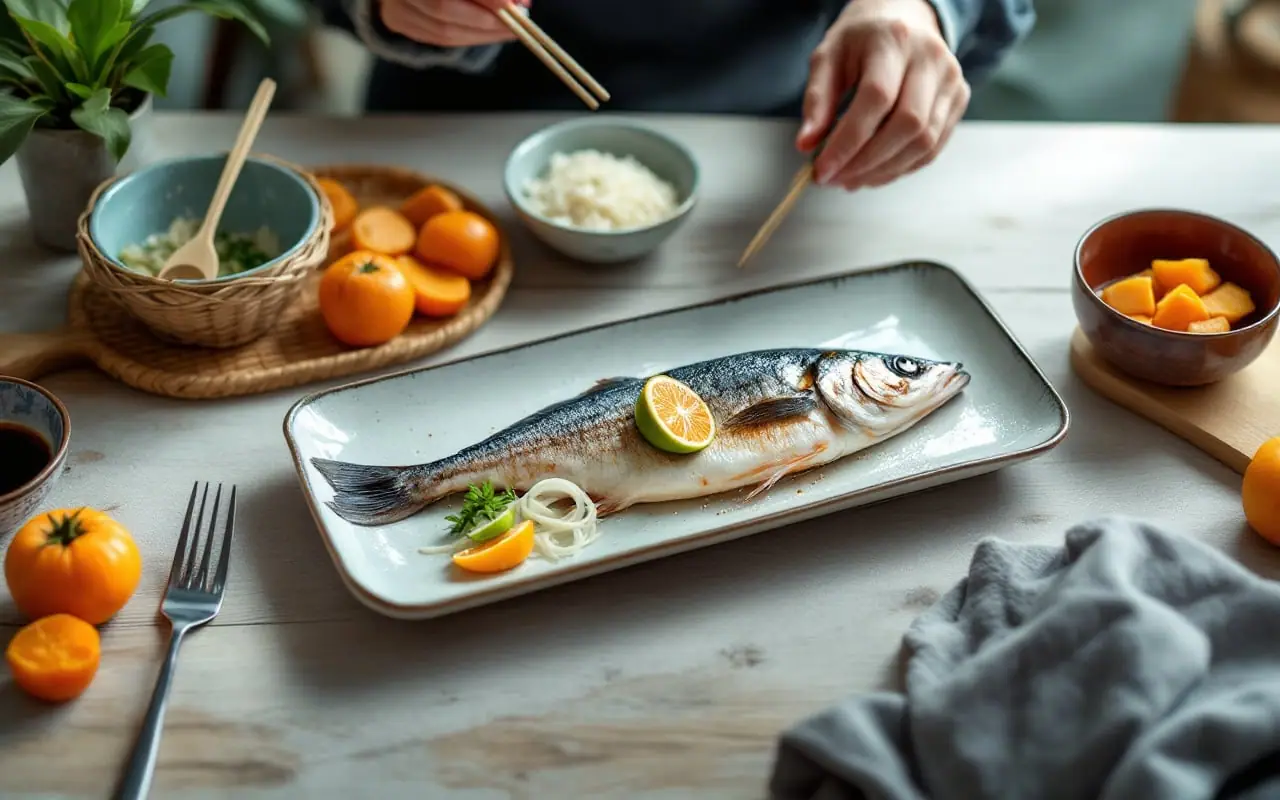
Pacific saury, sanma, is the fish of the season: long and slim, salt-grilled whole and served with a heap of grated daikon and a wedge of citrus. Here in Kyushu that citrus is often kabosu from Oita; elsewhere it is usually sudachi. The catch has shrunk a great deal over the past decade or so, and the fish are often smaller and dearer than older shoppers remember, but the dish is still autumn on a plate.
It is also oily, which is part of its charm and the reason it sits in the stomach longer than a piece of white fish. Grated daikon is traditionally said to help digestion. Raw daikon does contain digestive enzymes, but whether they do anything useful once they reach a human stomach has not really been shown. What the daikon reliably does is add moisture and freshness, cut the richness and slow you down. That is reason enough to keep the habit. Go lightly with soy sauce on top, since the fish is already salted.
The same goes for autumn's other rich favorites, from vegetable tempura to the fried chicken in every school sports-day lunch box. Fat is not the enemy. A large plate of it on its own, late at night, is simply a lot to ask of a stomach.
Chestnuts, sweet potatoes and persimmons
Kumamoto is one of Japan's main chestnut-growing areas, and kuri gohan, rice steamed with peeled chestnuts, is the dish I wait for all year, though peeling them takes a whole evening. Sweet potatoes come mostly from the other end of Kyushu. The Japanese name, satsumaimo, means "Satsuma potato", after the old name for Kagoshima, which still grows more of them than anywhere else in the country.
Both are filling and rich in fiber, and both are sweet enough to stand in for dessert. Sweet potatoes in particular are famous in Japan for producing gas, a joke every schoolchild knows. If you bloat easily, a modest piece eaten slowly at the table is kinder than half a roasted potato from the truck finished on the walk home. The reasons some foods ferment in the gut are in bloating after meals.
Persimmons, kaki, ripen at the same time and hang orange in gardens all over Kyushu. They come with one unusual caution. The tannins in persimmon, especially in astringent or underripe fruit, can in rare cases bind with other stomach contents into a hard lump called a bezoar. It is uncommon and mostly affects people who have had stomach surgery or whose stomach empties slowly, for example because of long-standing diabetes. If that describes you, ask your doctor whether a big persimmon habit is wise, and eat the fruit ripe and alongside other food.
Mushrooms
Kinoko season brings shiitake, maitake, shimeji and enoki to every hot pot. Mushrooms are one of the best ways I know to make a meal feel generous without making it heavy: low in fat, full of fiber and deep in flavor. They do contain a sugar alcohol called mannitol, which gut bacteria ferment, so people with sensitive bowels sometimes find a big bowlful gassy.
The real autumn mushroom warning is about wild ones. Japan's health ministry reminds people every autumn that poisonings from mushrooms picked by amateurs peak in this season, often because a poisonous species looks very like an edible one. Eat mushrooms you bought, or ones that someone with genuine expertise has checked. Vomiting, diarrhea or stomach pain after eating wild mushrooms needs a doctor quickly, and it helps to take any leftovers with you.
A note: links to Amazon here are affiliate links. As an Amazon Associate I earn from qualifying purchases.
A small help with this: awase (mixed) miso on Amazon. A few more ideas sit at the end of this note.
Portion and pace
None of this means eating less of the good things. It means arranging a meal so your stomach can keep up with it.
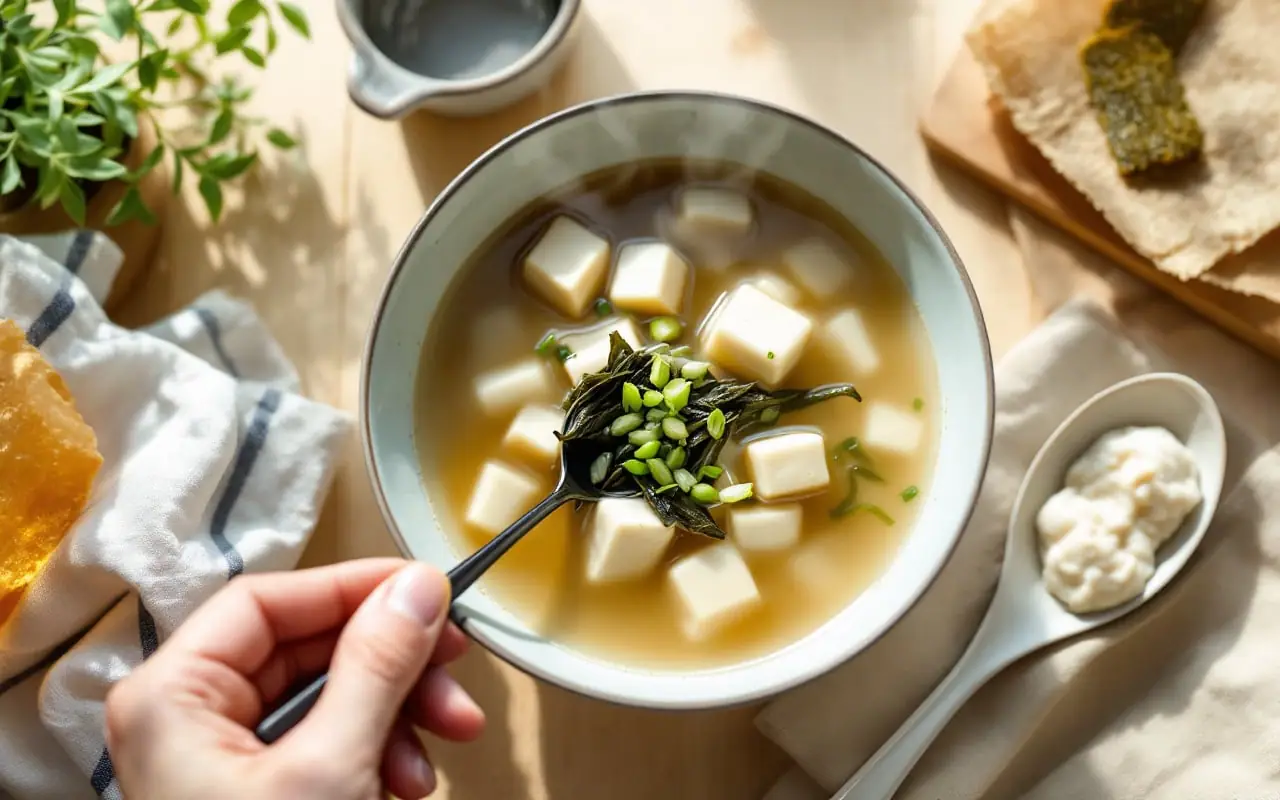
Start with the soup and the vegetables. A bowl of miso soup full of mushrooms and a small dish of greens before the rice and fish takes the edge off hunger. Researchers in Japan have looked at eating vegetables first as a way to soften the rise in blood sugar after meals, and the small studies so far are encouraging. For the stomach, the gain is simpler: you reach the rich part of the meal less ravenous.
Slow down. Set the bowl on the table between mouthfuls instead of holding it under your chin. A meal that takes twenty minutes gives your body time to register that it has eaten. One that takes eight does not.
Stop before you are full. The old saying hara hachi bu, eat until you are about 80 percent full, is more useful in October than in any other month. If heartburn is part of your autumn, the habits in acid reflux at night are worth a look, especially leaving a few hours between dinner and bed.
Move the feast earlier. On weekends I make lunch the big autumn meal, chestnut rice and all, and keep dinner light. A heavy stomach at three in the afternoon is easy to walk off. At eleven at night it follows you to bed.
Mind the autumn sake. Hiyaoroshi, sake that has rested through the summer and is released in autumn, is one of the season's pleasures. Alcohol relaxes the valve at the top of the stomach and irritates its lining, and it makes it easy to keep eating. Sake brewers encourage sipping water alongside, which they call yawaragi mizu, "softening water". It works for beer and shochu too.
Then go for a walk. October evenings in Fukuoka are made for it, and ten or fifteen minutes on your feet seems to help a full stomach settle.
When a heavy stomach is something more
Indigestion after a big meal now and then is ordinary. Doctors also recognize a common long-term pattern called functional dyspepsia, where the stomach feels full, heavy or sore after meals but tests find no damage. It is real, and a doctor can help with it. Japanese pharmacies are full of over-the-counter stomach medicines, and a pharmacist can suggest one for an occasional bad night, but taking them for weeks to keep symptoms quiet can delay a check that should happen.
Call 119, or your local emergency number, if what feels like indigestion comes with chest pain or pressure, sweating, breathlessness, or pain spreading to the arm, jaw or back. A heart attack can feel like a bad stomach, particularly in women, older people and people with diabetes. The same goes for sudden severe belly pain, vomiting blood or something that looks like coffee grounds, black tarry stools, or feeling faint.
See a doctor soon if:
- you have indigestion most days for more than a few weeks
- it is new and you are over about 55
- you are losing weight without trying, or you fill up after only a few mouthfuls
- food seems to stick when you swallow
- you keep vomiting
- you feel unusually tired or breathless, which can be a sign of anemia
- you get pain under the right ribs after fatty meals that lasts for hours, especially with a fever or yellowing skin, which can mean gallstones
In Japan, a doctor looking into persistent stomach trouble will often check for Helicobacter pylori, a stomach bacterium that is common in older generations here and linked to ulcers and stomach cancer. Treatment to clear it is routine. Cities also offer stomach cancer screening to older adults, and our guide to health check-ups in Japan explains how that works. Outside Japan, the NHS has plain pages on indigestion and its warning signs.
Before the first bowl of new rice
- Get out the smaller rice bowls and serve once.
- Begin with soup and vegetables.
- Put the bowl down between mouthfuls.
- Make the rich meal of the day lunch, not a late dinner.
- Keep a glass of water beside the sake.
- Know the signs above, and do not let a box of stomach tablets stand in for a doctor.
Autumn food is worth being hungry for. The aim is only to finish the season remembering the chestnut rice, not the nights you lay awake with it.

The writer
Naoko is a food and nutrition writer from Fukuoka who studied nutrition before she took up writing. She covers gut health and everyday eating, and most of her ideas start at the kitchen counter.