Kampo & Eastern Medicine / Food & Seasons
Tsuyu fatigue: feeling heavy in the rainy season
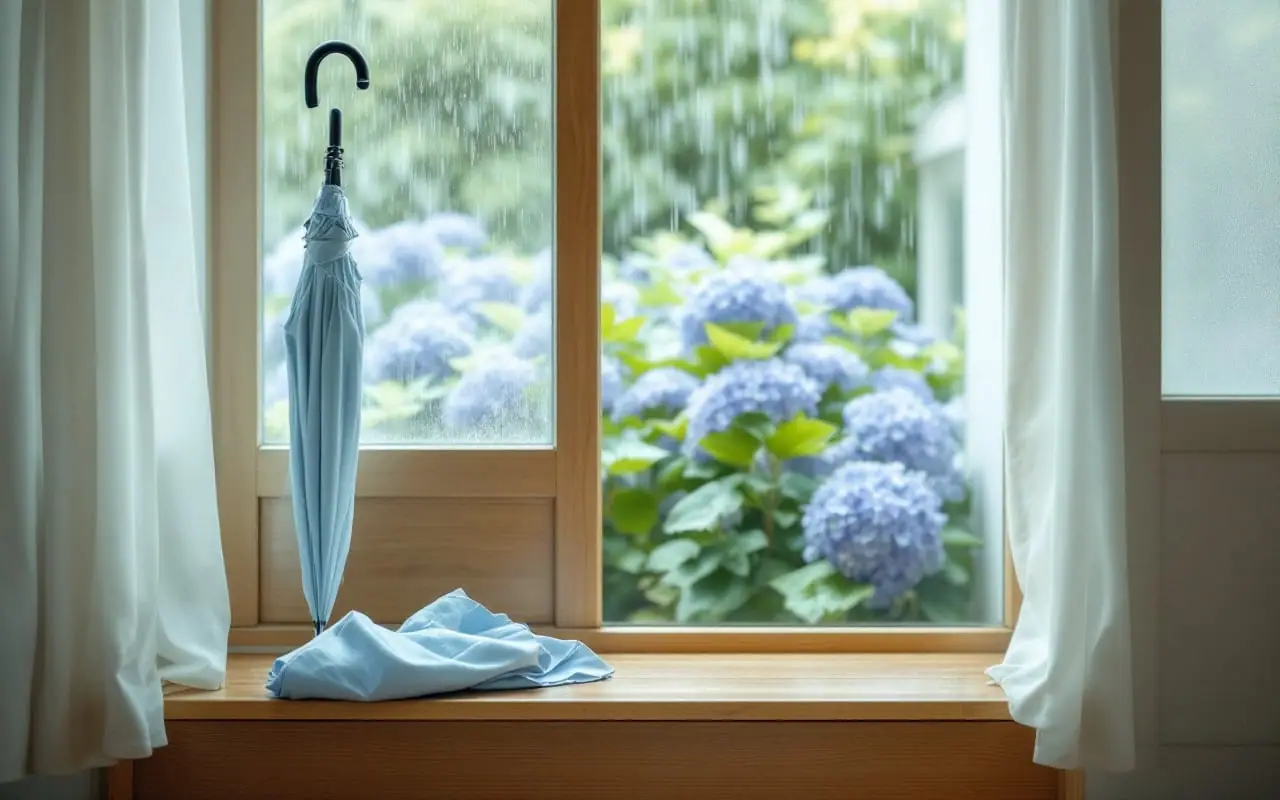
In Kumamoto the rain usually arrives in early June and settles in for weeks. Laundry hangs indoors for days and still feels damp. Shoes never quite dry, the tatami smells faintly of wet grass, and the hydrangeas are the only things that look pleased about it. Every year at the pharmacy counter where I worked, the same complaints came in with the umbrellas: heavy legs, a foggy head, no appetite, a dull headache, sleep that did not refresh.
People in Japan have a name for this, tsuyu-bate (rainy-season fatigue), a cousin of the better-known summer fatigue. It is not a diagnosis. It is a real and very common experience, though, and both the Eastern and the modern ways of looking at the body have something useful to say about it. I have set this out as the questions people actually asked me.
When is tsuyu, and why is it so damp?
Tsuyu is the early summer rainy season. Its name is written with the characters for "plum" and "rain", because it comes as the ume fruit ripen. A seasonal rain front stalls over Japan, caught between cooler air to the north and warm, wet air pushing up from the Pacific. Okinawa gets it first, from around May. Most of Kyushu, Shikoku and Honshu are in it from early or mid June until mid or late July, and Hokkaido usually escapes a distinct rainy season. The Japan Meteorological Agency announces the start and end, and often revises the dates afterward.
It does not rain all day, every day. What wears people down is the combination: warm, still, saturated air, gray skies for days, and sudden heavy downpours. Kyushu sees some of the heaviest rain of the season, so keeping an eye on local warnings is part of looking after yourself here.
What does kampo mean by "dampness"?
In Chinese medicine, dampness (shitsu in Japanese) is one of several outside influences, along with wind, cold, heat and dryness, that are thought to affect the body. It is described by how it feels: heavy, sticky, slow to clear. When dampness "gets in", the traditional picture is a heavy head and limbs, sluggish digestion, poor appetite, loose stools, puffiness and a general sense of being weighed down. Anyone who has lived through a Kyushu June will recognize it.
Japanese kampo describes much the same thing in its own vocabulary of sui (body fluids). When fluid is thought to be poorly distributed, a state called suitai (water stagnation), people may feel dizzy, heavy-headed or queasy, notice swelling, and get headaches that are worse in wet weather. Practitioners also look for signs such as tooth marks along the edges of the tongue.
How should you read this? Dampness is a description, not something a blood test can measure, and it has no direct counterpart in modern physiology. But it is a careful description of what people feel, and the tradition's advice for damp weather (warm cooked food, gentle regular movement, not chilling yourself) overlaps quite well with sensible modern advice.
The formula people in Japan hear about most at this time of year is goreisan. It is traditionally used when fluid seems to be in the wrong place, with thirst, little urine, swelling, nausea or headache, and some doctors in Japan prescribe it for weather-related headaches. It is also sold over the counter. The research on this use is limited to small studies. Like any kampo formula it can cause side effects and does not fit every pattern, and a headache needs a proper diagnosis before anyone decides it is "just the weather". Ask a doctor or pharmacist rather than choosing it for yourself; my piece on what kampo is explains why I keep saying this.
What does modern medicine say about humidity?
Quite a lot, and none of it needs the word dampness.
Your body cools itself mainly by sweat evaporating from the skin. In very humid air, sweat evaporates poorly, so you sweat more and cool less. You lose fluid and salt, and your heart works harder to send blood to the skin. That alone can leave you tired and heavy.
Timing matters too. The rainy season arrives before most people have adjusted to the heat. Occupational health guidance, including from the US Centers for Disease Control and Prevention, says the body needs roughly one to two weeks of gradual exposure to acclimatize. Heat illness can strike on a hot, sticky day between rains, well before midsummer. Japan's heatstroke alerts are based on an index called WBGT, which gives humidity a heavy weight for exactly this reason. And on gray, cool-looking days people feel less thirsty, so they drink less while still sweating.
Damp homes bring their own problems. Mold and dust mites thrive in humid rooms and can make allergies, asthma and eczema worse. The US Environmental Protection Agency advises keeping indoor humidity below 60 percent to limit mold.
Then there is light. Weeks of overcast skies mean less bright light, especially in the morning, and morning light helps set the body clock. Even a cloudy sky outdoors is far brighter than a lit room indoors, which is one reason a short walk outside in the morning helps more than it seems it should.
Put together, tsuyu fatigue looks less like one mystery condition and more like several ordinary strains arriving at once: heat without adjustment, mild dehydration, poor sleep, less light and less movement.
Is the low pressure headache real?
Many people in Japan talk about kiatsu (air pressure) headaches, and some weather forecasts now include a pressure headache outlook. Many people with migraine name the weather as a trigger. Studies are mixed. Some find more attacks with falling pressure or changing humidity in certain people; others find no clear link. The most likely answer is that a subset of people are genuinely sensitive and many others are not. One explanation under study, so far mainly in animals, is that the inner ear senses pressure changes and passes the signal on to pathways involved in pain and balance.
A headache diary is the most useful tool here. Over a few weeks, note the date, the weather, how you slept, when you ate, caffeine, alcohol and, if relevant, your period. Sometimes the weather really is the trigger. Often it turns out to be a cover for skipped meals and short nights, which also pile up in June.
One caution. Taking painkillers for headache on many days a month can itself cause more frequent headaches, a problem called medication overuse headache. If you find yourself reaching for tablets most days, that is a reason to see a doctor, who can look at prevention, rather than to buy a bigger pack.
Why is my sleep so poor in June?
To fall asleep, your core body temperature needs to drop a little. A warm, humid bedroom slows that down and leads to more waking in the night. A few things help:
- Run the air conditioner's dry mode or a dehumidifier for a while before bed, and use a fan to keep air moving.
- Choose breathable bedding, such as cotton or linen. Air the futon on any dry day, or use a futon dryer.
- Keep your wake-up time steady, and get outside in the morning light, even under cloud.
- Go easy on alcohol in the evening. It makes you drowsy but breaks up sleep later in the night.
If you or your partner notice loud snoring with pauses in breathing, or you are sleepy all day whatever the weather, mention it to a doctor. Sleep apnea is common and treatable.
What should I eat?
The Eastern tradition advises going easy on cold, raw, greasy and very sweet food in damp weather, which it sees as burdening digestion, and leaning on warm, cooked, lightly seasoned meals. Japanese kitchens have plenty of seasonal help: ginger, shiso (perilla), myoga (a mild, crunchy ginger bud) and green onion to wake up a tired appetite; hatomugi (Job's tears) tea; adzuki beans; winter melon in a clear soup. These are traditionally said to help clear dampness. There is no good evidence for that specific claim, but they make light, appealing meals when appetite is low, and eating regularly matters.
For drinks, water and mugicha (cold barley tea) are the everyday choices. Go easy on sugary drinks and alcohol. June is also umeboshi season, when families salt the new plums; pickled plums are very salty, so keep them as a small accent if your blood pressure runs high.
Food safety needs real attention now. Japan's health ministry warns every year that bacterial food poisoning rises in the warm, humid months. Cool cooked food quickly and get it into the fridge, keep packed lunches cool, and wash hands and cutting boards well. Naoko covers the kitchen side in more detail in eating through Japan's humid summer.
How do I keep moving when it rains every day?
Inactivity makes the heaviness worse, and even short bursts of movement help both energy and sleep. Try rajio taiso (the radio exercises) in the living room, the stairs at home or work, a walk through a covered shotengai (shopping arcade) or a large station, or a quick walk outside in a lull between showers, in shoes with good grip. If your legs feel heavy by evening, a few calf raises and lying with your legs up against a wall for a few minutes can feel good.
Mildly puffy ankles at the end of a hot, humid day are common and usually harmless. Swelling in only one leg, especially with pain, warmth or redness, or swelling together with breathlessness, is different and needs a doctor promptly.
When is it more than the weather?
Tsuyu fatigue usually lifts within a week or two of the rains ending. It sits squarely in the "not quite well" territory I wrote about in the piece on mibyo, and like everything in that territory, it can hide something else. Get medical help for:
- Signs of heat illness: dizziness, headache, nausea, cramps, heavy sweating or feeling faint. Stop, get somewhere cool, loosen clothing and sip water with a little salt or an oral rehydration drink. Confusion, being unable to drink, vomiting, very hot skin or collapse are an emergency: in Japan, call 119.
- A sudden, severe headache that peaks within about a minute; a headache with fever, a stiff neck or a rash; or one with weakness, numbness, a drooping face, trouble speaking, vision loss or confusion. These also need emergency care.
- Headaches after a head injury, new headaches if you are over 50, or headaches that keep getting worse or wake you from sleep.
- Wheezing, breathlessness, or needing an asthma reliever more often than usual.
- Diarrhea with blood, a high fever, or signs of dehydration such as very little urine, especially in small children and older people.
- Tiredness that outlasts the season, or comes with weight loss, fever, breathlessness or low mood. Anemia, thyroid problems, diabetes and depression all cause tiredness, and a doctor can check for them.
If heavy rain warnings or evacuation advice are issued where you live, follow them early, and check on older neighbors.
For the rest of the season, a small kit goes a long way: the dry mode switched on before bed, a water bottle you actually finish, a warm cooked lunch, ten minutes of movement indoors, a few minutes of morning light, and a page in a notebook for any headache. The hydrangeas will still be out when the sun comes back.
The writer
Keiko spent many years at the counter of a family-run pharmacy in Kumamoto that stocked kampo medicines. She writes about kampo, acupuncture and the old idea of yojo, carefully and with the evidence in view.