Kakkonto and the common cold: what it was made for
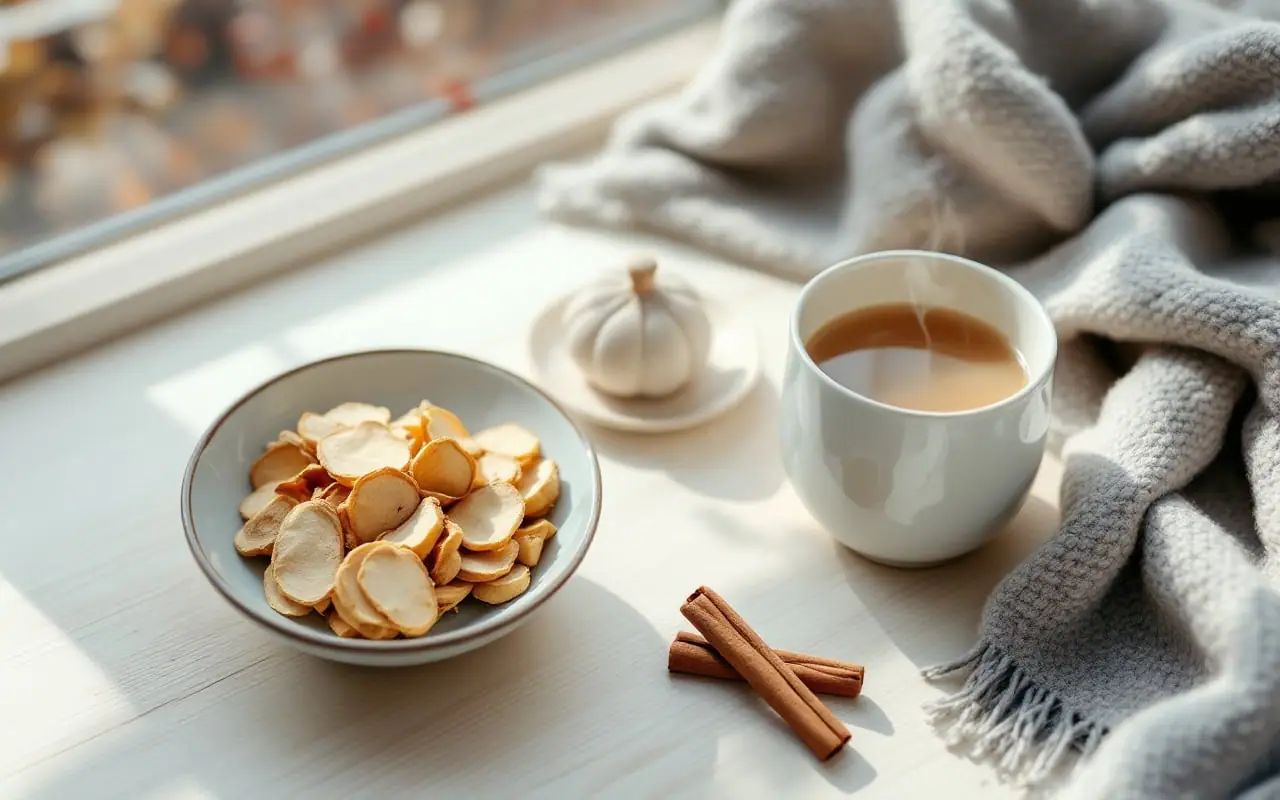
Kakkonto is the kampo formula most Japanese homes know for colds. What it was traditionally meant for, what studies show, and who should ask first.
Immortelle smells of honey and hay and costs a small fortune. What helichrysum oil is, what the bruise and scar claims rest on, and how to dilute it.
Menthol makes air feel cold and fast; cineole smells of clearing. How the two oils differ, safe tissue and steam methods, and who should skip both.
Where your tongue rests matters more for breathing and sleep than for your jawline. What tongue posture is, what mewing can't do, and when to get checked.
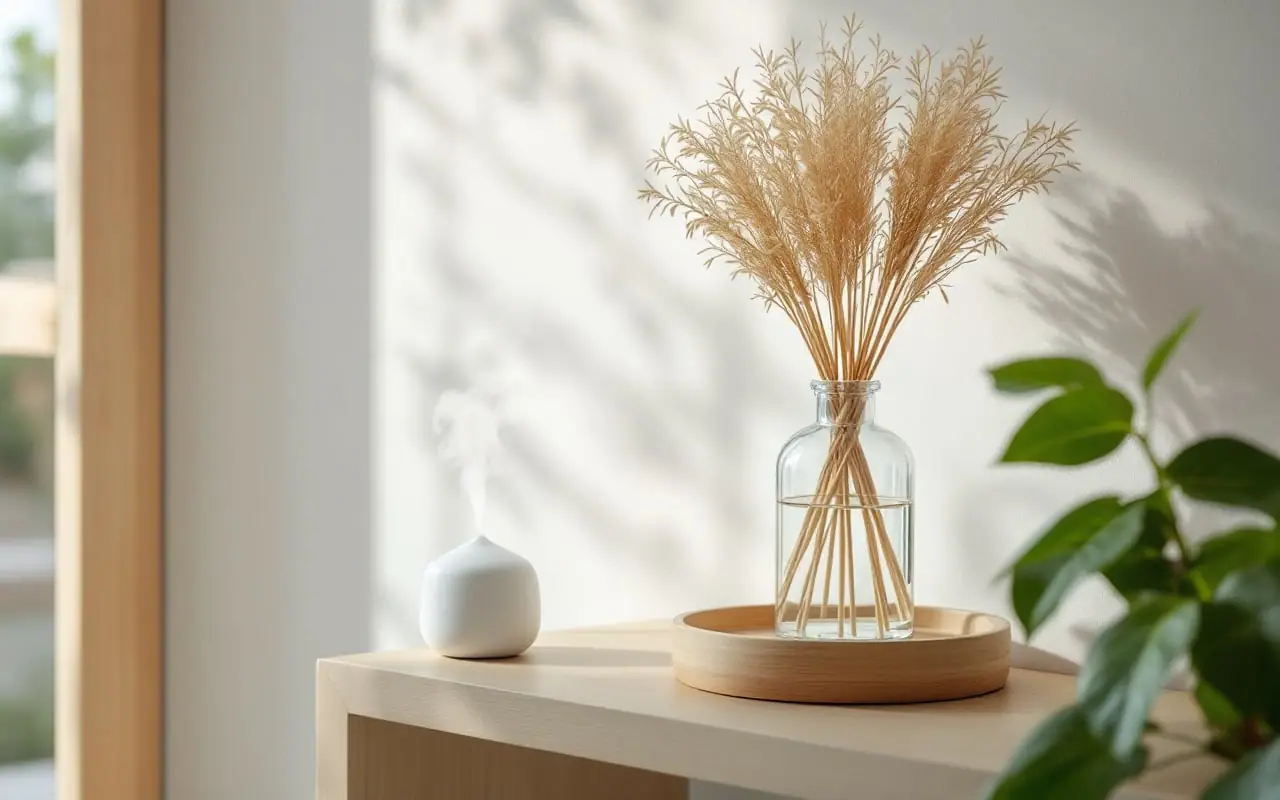
Reeds give a quiet, constant scent with no switch; electric diffusers give a stronger scent you can time. Which suits your rooms, pets and family.
What thin mountain air and hours of sitting do to the body after a ski trip, and the simple habits that make the ride home easier.
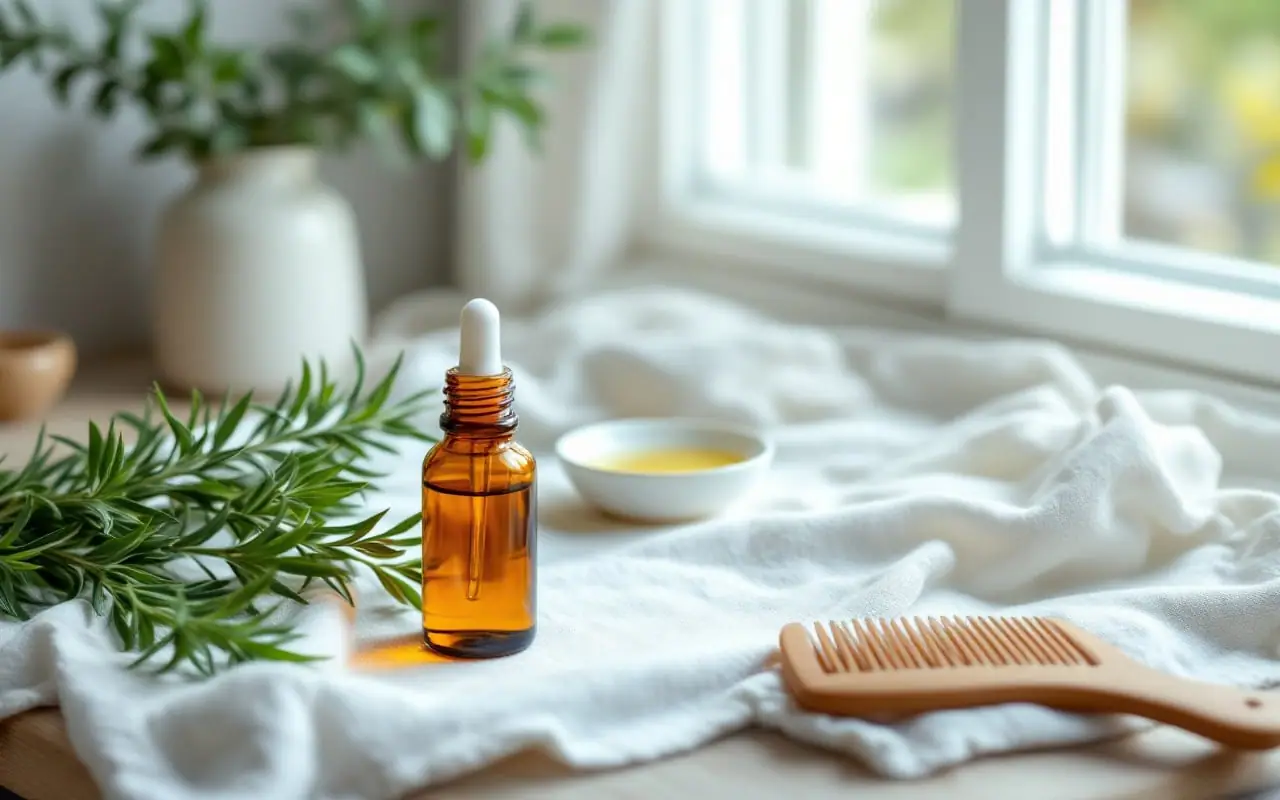
Rosemary oil comes in three chemotypes that behave differently. What the hair and memory studies found, safe dilutions, and who should skip it.
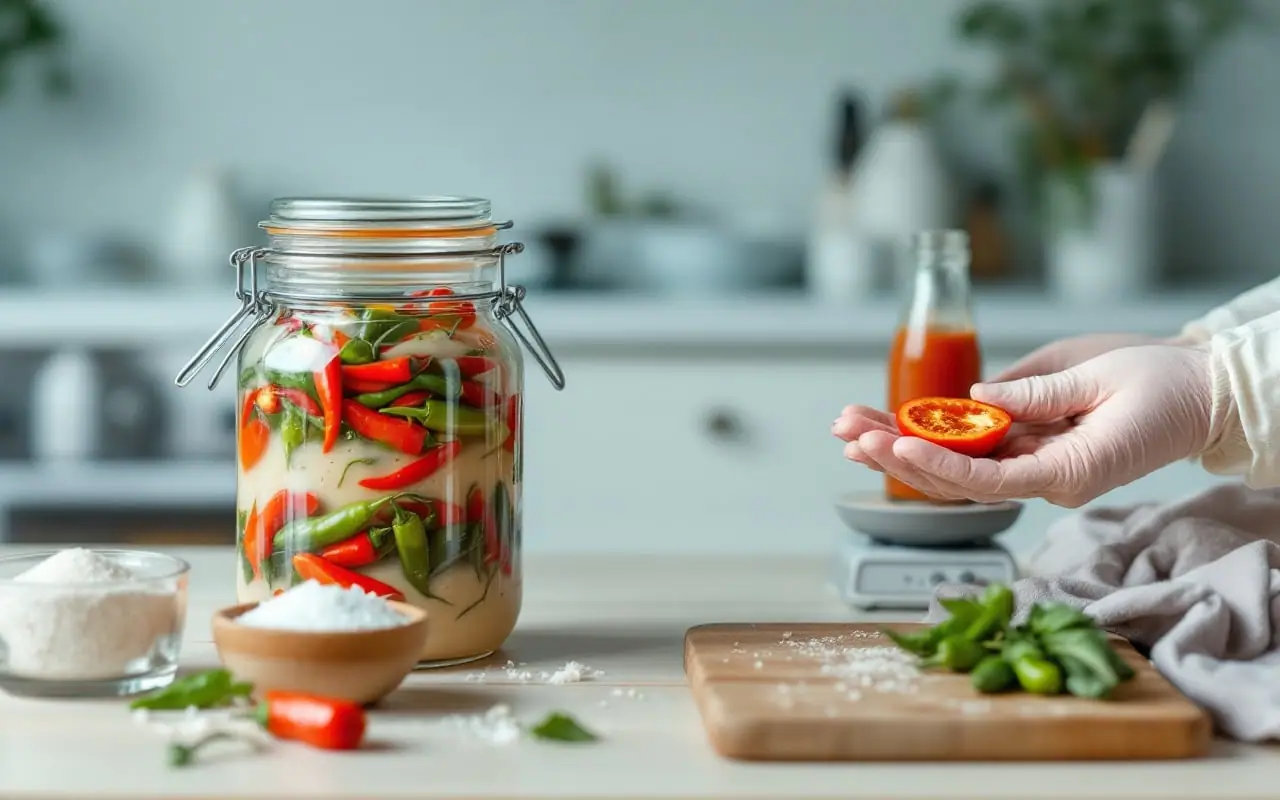
A first fermented hot sauce: mash or brine, salt by weight, jars, airlocks and gloves, kahm yeast vs mold, then blending, vinegar and bottles for the fridge.
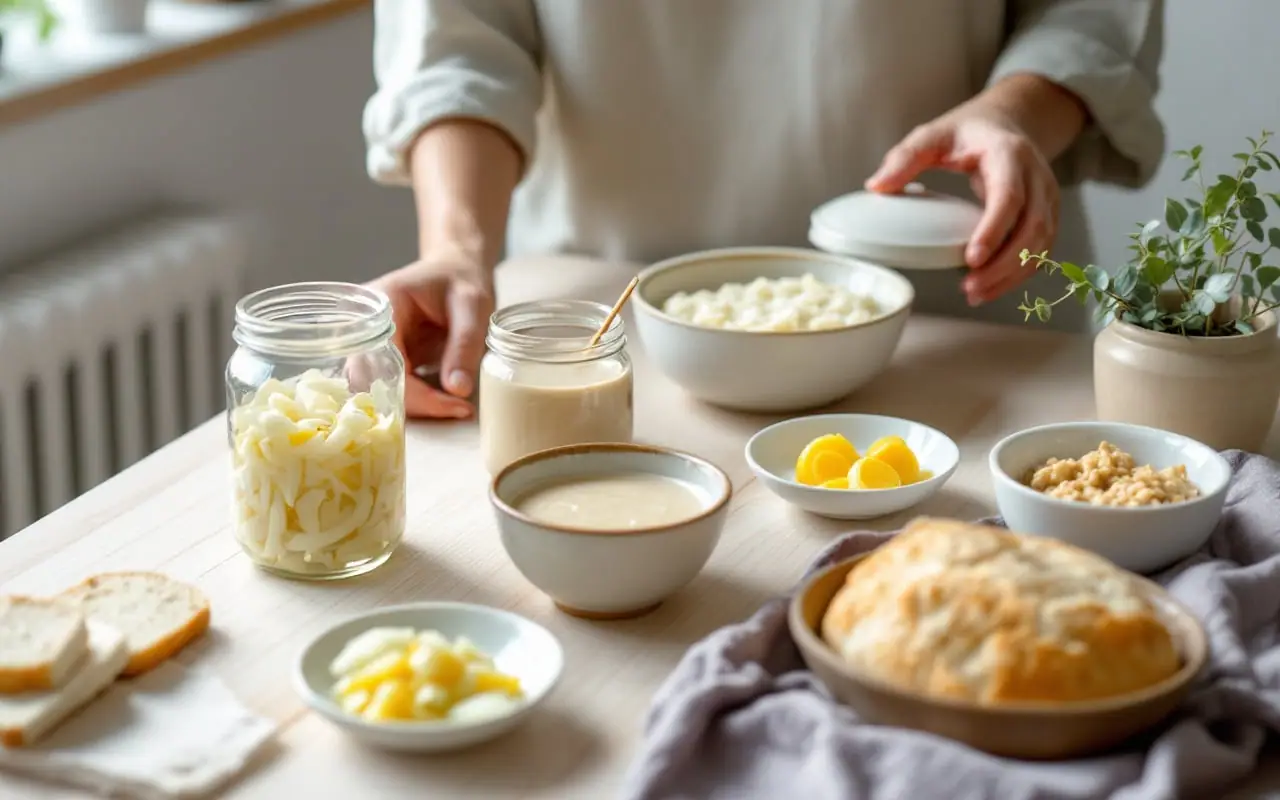
A fermented food is one that microbes helped to make. How fermentation works, a long list from miso to sourdough, and what only sounds fermented.
How the Japanese habit of airing rooms, plus a few questions for your builder, keeps the air kind to your lungs while a renovation goes on.
Head down, phone in hand, neck grumbling. What text neck is, what the research really shows, and small fixes for the daily train ride.
Choosing a restful bedroom colour, keeping the air kind while fresh paint dries, and planning the work so your sleep is not disturbed.